
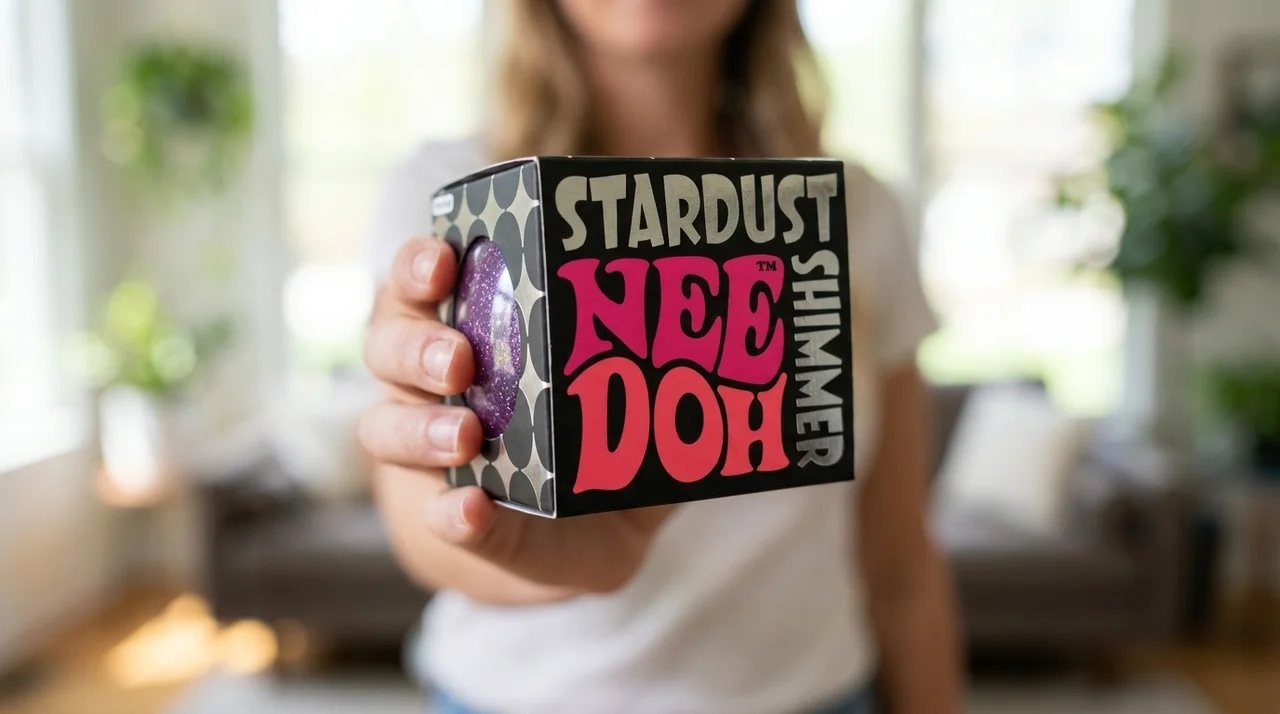
You’ve decided to sell your NeeDoh collection. Good call, especially if you’re holding pieces from the height of the shortage.
Now comes the harder question. Where do you actually sell them?
There’s no single right answer here. The best platform depends on how many NeeDohs you have, how much time you want to spend, and how quickly you want your money. Below, we break down the four most common paths sellers take, and what each one actually costs you in fees, effort, and time.
If you’d rather skip the comparison and just get a number, you can get a free quote on your NeeDoh collection here in under a minute.
eBay
eBay is the biggest marketplace for collectibles, and it’s probably the first place you thought of. It’s also where most of the wild NeeDoh resale prices you’ve seen online came from.
eBay gives you access to a huge pool of buyers actively searching for specific styles. If you own a rare or discontinued piece, a collector willing to pay a real premium is most likely to find it here. You also get built-in seller protections and a payment system that handles the money for you. Not sure which of your pieces actually qualify as rare? Our guide on what NeeDoh toys are actually worth in 2026 covers what drives value by style.
But eBay charges real fees. Final value fees typically run around 13% of your sale price, plus a small fixed fee per order. That’s not a big deal on one $10 sale. It adds up fast across a hundred of them, and you’re still doing all the work of photographing, listing, and shipping every single item yourself.
Patience is part of the deal too. A rare style might sit for weeks before the right buyer shows up and pays a premium. That wait works against you if you need cash now instead of eventually.
eBay makes the most sense for a single rare or discontinued style, sold on its own, when you’re not in a rush.
Facebook Groups
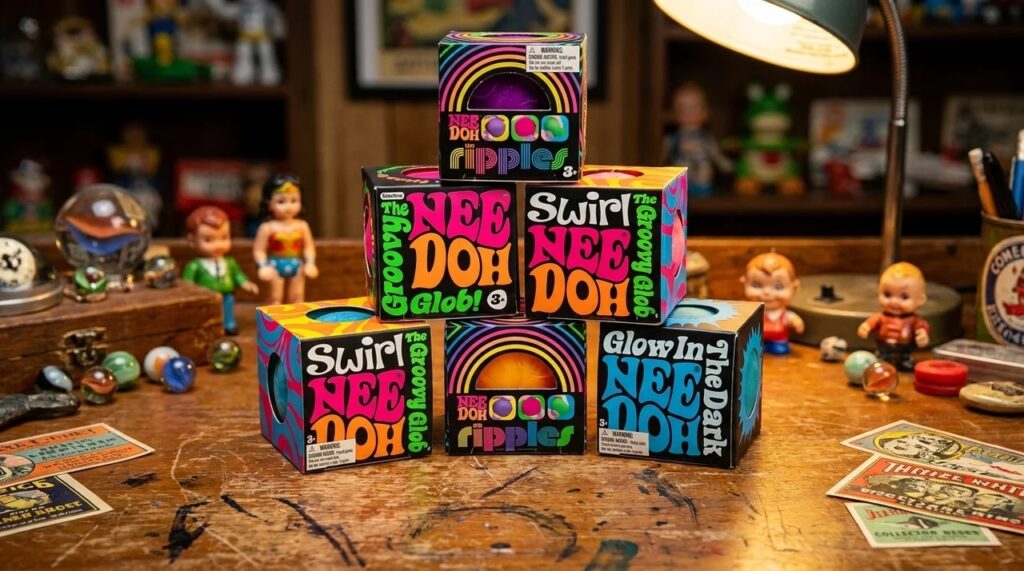
NeeDoh has its own dedicated resale community on Facebook, with tens of thousands of members buying, selling, and trading. Groups like this pop up around most viral toy crazes, and NeeDoh is no exception.
There are no platform fees here. You negotiate directly with the buyer and keep whatever price you agree on. Members in these groups usually know the market well, so you’ll spend less time explaining what you have and field fewer lowball offers than you might from a random stranger.
The trade-off is protection. Payment and shipping happen outside any built-in safety net. You’re trusting a stranger to pay before or after you ship, depending on how the deal is structured. Most sellers ask for payment upfront through Venmo or PayPal to lower that risk, but it never disappears completely. And there’s no guarantee anyone in the group wants exactly what you’re selling on any given day.
This route fits sellers who don’t mind negotiating directly and are willing to accept a little risk to skip the fees.
Mercari
Mercari works a lot like eBay, but the listing process is simpler and the buyer base leans toward casual shoppers rather than serious collectors.
Listing here is fast. Snap a photo, set a price, and you’re live in a couple of minutes. Mercari also handles buyer payment for you, the same way eBay does.
Fees run about the same as eBay’s, typically near 10% of your sale price. Because the buyer base is more casual, you’re less likely to land someone willing to pay a serious premium for a scarce style. Mercari tends to work better for common items priced fairly than for chasing top dollar on something rare.
Pick Mercari when you want to move common styles quickly and don’t want much back-and-forth with buyers.
Selling to a Bulk Buyer
Most people don’t think of this option first, but it deserves real consideration if you own more than a handful of NeeDohs.
One transaction replaces dozens or hundreds. There’s nothing to list, no photos of every single piece, and no individual buyers to negotiate with. Send your collection in, get a quote, and get paid — the whole thing usually wraps up in a few days. No per-sale fees eat into your total either, since you agree to one price for the entire lot upfront.
You won’t land top dollar on an individual rare piece this way, and that’s the real trade-off. A bulk buyer prices your whole collection to resell at a profit, so the per-item number comes in lower than what a patient eBay listing might eventually fetch for that one scarce style.
This is the clear pick for larger collections, mixed lots, duplicates from panic-buying during the shortage, and anyone who values a fast, simple payout over squeezing out the last few dollars per item. For a closer look at how this works for bigger collections, see our guide on how to sell a bulk NeeDoh collection.
So Which One Should You Actually Pick?
Think about what you’re optimizing for.
A couple of genuinely rare, sealed pieces are worth listing on eBay if you don’t mind the wait. A handful of common styles will move fine through Mercari or a Facebook group. Once you’re sitting on a real pile, forty pieces or more, the math starts to shift. Time spent listing, photographing, and shipping each item starts to outweigh the extra few dollars per item you might squeeze out elsewhere.
A lot of sellers split the difference instead. They pull out the one or two styles they know are genuinely rare, list those individually on eBay, and sell the rest of the pile in bulk. That combination gets the best of both worlds without turning the whole collection into a part-time job — and it’s the fastest way to actually get most of a big collection off your hands and turned into cash.
Sell Your NeeDoh Collection to Us
If the bulk route sounds right for some or all of your collection, here’s exactly how it works.
Step 1 — Connect. Tell us roughly how many sealed NeeDohs you have. A photo of the bin or shelf is usually enough to get started.
Step 2 — Get a quote. We review what you’ve told us and send back an offer, usually within 48 hours.
Step 3 — Send and get paid. Like the offer? We send a prepaid shipping label. Once your collection arrives and we check it against your submission, you’re paid within 48 hours by check, Venmo, or PayPal.
No listing fees. No photographing dozens of pieces yourself. No waiting on buyers one at a time.
Frequently Asked Questions
eBay usually gets the highest per-item price for rare or discontinued styles, since it reaches the largest pool of collectors actively searching. That top price comes with fees, wait time, and the work of listing each piece yourself.
It can be, but there’s no built-in payment protection like eBay or Mercari offer. Most sellers ask for payment upfront through Venmo or PayPal before shipping, which lowers the risk but doesn’t remove it entirely.
eBay tends to reach more serious collectors, which matters for rare styles. Mercari is faster to list and works well for common styles you just want to move quickly. Fees on both are similar.
Selling to a bulk buyer is by far the fastest option. You skip individual listings, dozens of photos, and one-by-one buyer negotiations, and you get paid in a single transaction. Start your quote here.
Not necessarily. Many sellers list their rare pieces individually on eBay, then sell the rest of the collection in bulk. That way, you capture extra value on the rare items without doing the same amount of work for the common ones.