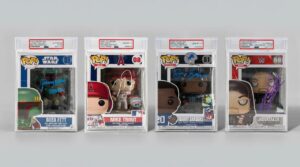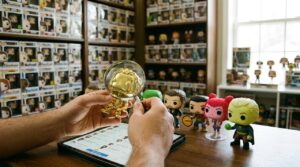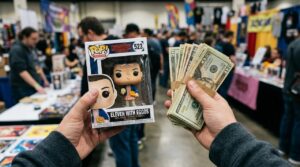
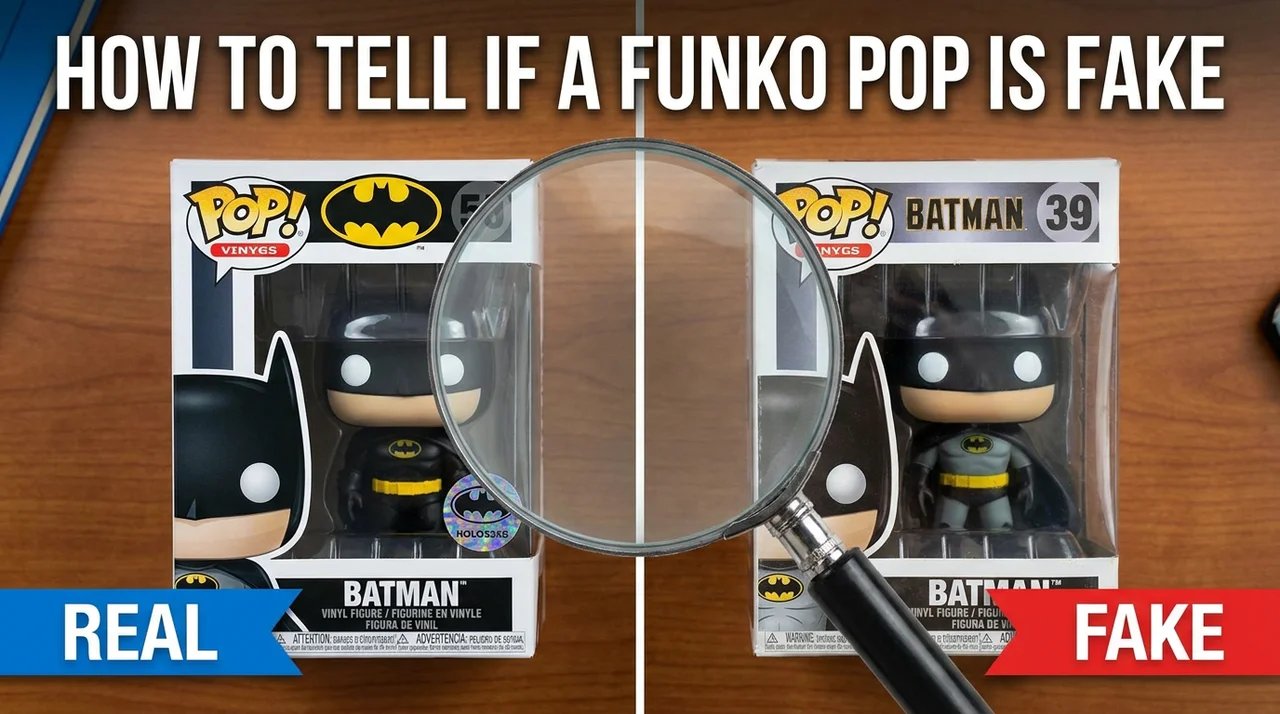
Funko has released more than 25,000 unique designs, and the secondary market around them is worth hundreds of millions of dollars. Wherever that much money moves, counterfeiters follow.
Fake Pops have become a real, well-documented problem, and some of the newer ones are good enough to fool experienced collectors.
This guide walks through the checks that actually work, so you can tell a genuine Funko Pop from a bootleg before you buy one, and before you try to sell one.
Why This Matters for Sellers Too
If you’re getting ready to sell a collection, this isn’t just a buyer’s problem.
A lot of Funko Pops in circulation didn’t come straight from an official retailer. They came from resale marketplaces, secondhand trades, or years of buying from whoever had the figure you wanted at the time.
If any of that inventory turns out to be fake, a serious buyer is going to catch it, and that’s a much better conversation to have with yourself now than with a buyer later.
Sorting out any suspected fakes before you sell keeps the process fast and your offer accurate. If most of your collection checks out, our guide on whether your Funko Pops are actually worth anything is a good next stop.
Check the Box Print First
Start with the box itself, before you even look at the figure inside.
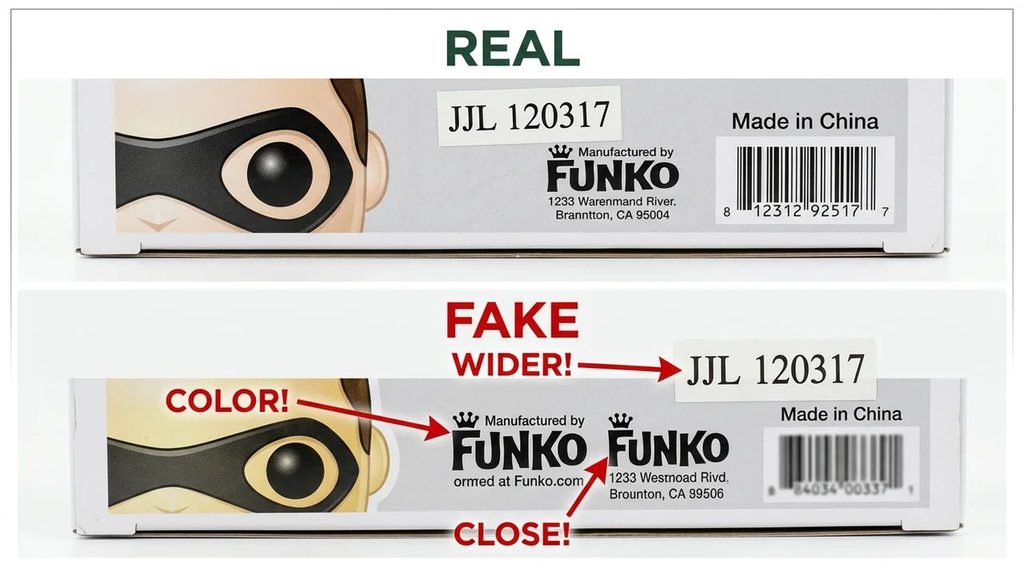
Genuine Funko packaging has crisp, high-quality printing. Text is sharp, images are clean, and nothing looks blurry or slightly out of focus.
Counterfeits often give themselves away here immediately, with printing that looks a shade duller or fuzzier than it should, even if you can’t quite explain why at first glance.
Look closely at the fonts. Counterfeiters frequently get small typography details wrong, using a font that’s close to Funko’s official one but not quite right, or spacing text unevenly compared to the genuine article. Check for misspellings too.
Character names, series titles, and the warning text on the box should all be spelled correctly and evenly printed. A single typo on packaging that’s supposed to be mass-produced is a real red flag.
Study the Logo Closely
The Funko Pop logo itself carries small design details that are surprisingly hard for counterfeiters to replicate exactly.
On a genuine box, the logo has a distinctive detail: small fading bubbles within the borders of the “POP!” lettering. Fakes frequently miss this entirely, printing a flat, solid logo instead.
Compare the logo on your box against a clear photo from Funko’s official website if you’re unsure. The differences are often small, but once you know what to look for, they tend to jump out.
Find the Serial Number and Production Code
Flip the box over and check the bottom flap. Genuine Funko Pops typically have a production code and date stamp printed or embossed there, usually a combination of letters and numbers.
If this information is missing entirely, badly blurred, or looks inconsistent with what you’d expect, treat that as a warning sign. Counterfeiters sometimes skip this step because it adds complexity to replicate accurately, or they print something that looks close but doesn’t match genuine formatting.
Check Convention and Exclusive Stickers Carefully
Special edition and convention-exclusive Pops usually carry a sticker on the box marking the event or retailer tied to that release. These stickers are worth extra scrutiny, since exclusive figures often carry higher resale value, which makes them an appealing target for counterfeiters.
Look closely at the font, color, alignment, and exact wording on the sticker. Poor alignment, colors that seem slightly off, or wording that doesn’t quite match genuine examples are all signs something’s wrong.
Some fakes go a step further and simply leave off details entirely, like a missing event logo or an incomplete title on the sticker, since forgers sometimes overlook small details real packaging wouldn’t be missing.
Examine the Figure Itself
Even a convincing box doesn’t guarantee what’s inside is real. The figure deserves its own inspection.
Check the paint job closely. Genuine Pops have clean lines and even, consistent color. Fakes often show sloppy or uneven paint, color bleeding between sections, or facial features that sit slightly out of place compared to the character’s proper design.
Feel the material. Official Funko Pops are made from a specific, durable vinyl. Counterfeits sometimes feel noticeably lighter, rougher, or more rubbery in your hand, a difference that’s often easier to notice by touch than by sight.
Look at the proportions, especially the head. Bootleg Pops frequently have a head that’s subtly smaller or oddly shaped compared to the real thing. This is a hard detail to fake convincingly, since Funko’s proportions are specific to the brand.
Check the plastic window insert inside the box too. A genuine insert fits the figure snugly and uses clear, sturdy plastic. Fakes sometimes use thin, cheap plastic that doesn’t hold the figure securely, and in some cases skip the proper insert entirely in favor of loose bubble wrap.
Watch the Newest Anti-Counterfeit Tool
Funko has started fighting back directly. Since late 2024, some newer releases include Octane5 QR codes on the packaging, which use the same kind of micro-optic technology found on banknotes to prevent counterfeiting.
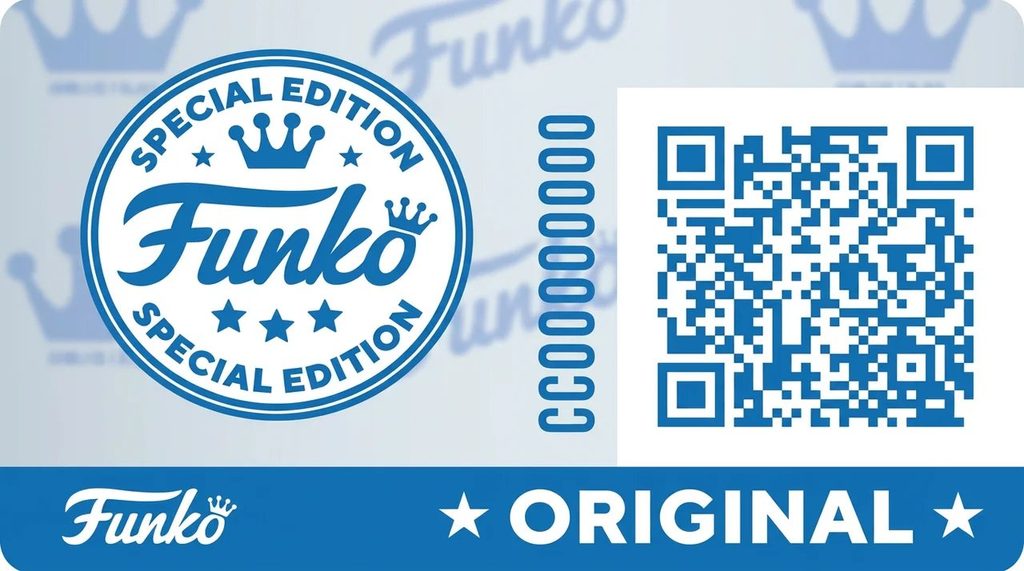
If a recent release you’re checking has one of these codes, scanning it is one of the most reliable checks available.
This tool only applies to newer releases, so it won’t help with older Pops in your collection. But for anything recent, it’s worth checking for.
Be Skeptical of a Price That’s Too Good
Price is one of the simplest checks, and one of the most reliable.
Genuine rare or vaulted Pops hold fairly consistent pricing across trusted sellers and pricing tools. Experienced collectors generally treat anything priced 30% to 50% below typical market value for a scarce figure as almost certainly fake. Counterfeiters often price low on purpose, moving inventory quickly before a buyer has time to catch on.
Before buying anything that looks rare, compare the asking price against a few reputable sources. A real bargain on a common Pop is normal. A steep discount on something that’s supposed to be scarce almost never is.
No Single Check Is Enough on Its Own
Modern counterfeits have gotten good enough that no one detail should be treated as a final verdict by itself. Some fakes nail the box printing but get the paint job wrong. Others get the figure right but slip up on the serial number.
Look at the whole picture: box quality, logo details, serial number, figure paint and material, and price, together. A real Pop should pass every check. A fake usually fails more than one, even if it manages to convincingly fake one or two.
What to Do If You Find a Fake in Your Own Collection
If you’ve gone through these checks and you’re confident something isn’t authentic, set it aside separately. Don’t include it when you sell the rest of your collection.
We only buy authentic Funko Pops, and sorting out any suspected fakes ahead of time keeps your quote accurate and the process moving quickly. If you’re not sure how to sort what’s left after pulling any fakes, our guide on how to tell which of your Funko Pops are valuable is the natural next step.
Sell Your Authentic Funko Pop Collection to Us
Once you’ve confirmed what you have is genuine, turning it into cash is simple.
Use our online toy pricer or app to tell us what you have. A rough count and a few photos is enough to get started, no full inventory required.
We’ll review your submission and send back a fair offer, usually within a couple of days. If you accept, we’ll arrange shipping and get you paid once your collection arrives and checks out against what you told us.
There are no listing fees. No photographing dozens of pieces yourself. No waiting on buyers one at a time. If you’ve got a large collection to sort through once the fakes are pulled, our guide on how to sell a large Funko Pop collection covers what that process looks like.
People Also Ask…
Check the price first. A rare or vaulted figure priced 30% to 50% below typical market value is almost always a counterfeit. From there, check the box printing, the logo detail, and the serial number on the bottom flap.
Often, yes, once you know what to look for. Differences show up in print quality, font accuracy, paint consistency, material feel, and figure proportions, especially around the head. Newer counterfeits have gotten more convincing, so it helps to check several details together rather than just one.
It’s an anti-counterfeit feature Funko introduced on some newer releases starting in late 2024, using banknote-grade micro-optic technology. Scanning the code is one of the most reliable authenticity checks available, but it only applies to more recent figures.
Sometimes, but the number or production code may be missing, blurred, or formatted differently than genuine examples. Compare it against a clear photo of an authentic box if you’re unsure.
Set it aside separately from your authentic pieces, and don’t try to sell it as genuine. If you bought it recently, check whether the seller or payment provider offers any protection for counterfeit or misrepresented items.