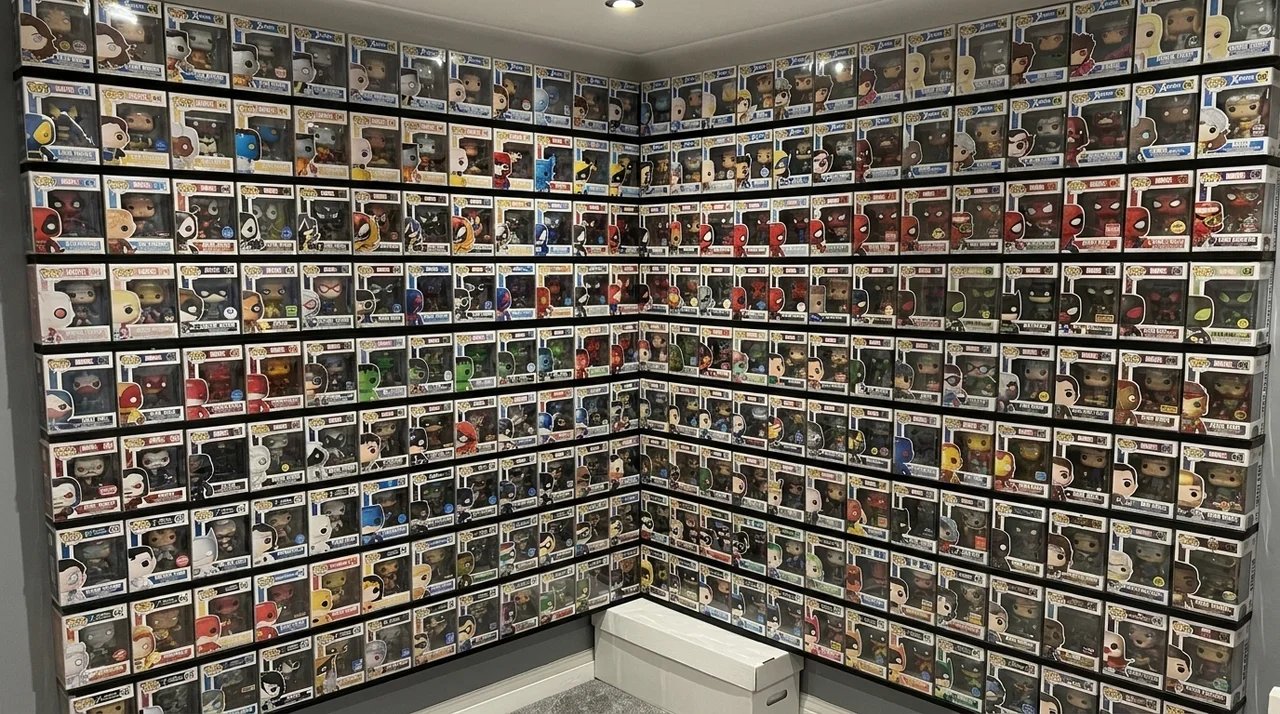
You’ve got a shelf, a closet, or maybe a whole spare room full of Funko Pops. At some point, you’ve probably wondered the same thing every collector eventually asks: is any of this actually worth something?
The honest answer is: probably a little, and maybe a lot, but likely not as much as you’re hoping. This guide walks through what real Funko Pop value looks like in 2026, what actually drives it, and how to figure out where your own collection lands.
The Realistic Starting Point
Here’s the number most Funko Pop guides don’t lead with, but should.
In a typical collection, the figures with genuine resale value make up a small slice of the total. Often under 5%. In plenty of collections, that number is zero. Most Pops sell for close to what you paid for them, sometimes a little more, sometimes less once you factor in the effort of selling.
That’s not meant to be discouraging. It’s just the shape of this hobby. A handful of figures carry almost all the value, and the rest are decoration. Your job, if you’re trying to figure out what your collection is worth, is finding that handful.
Why the Funko Pop Market Looks Different Than It Used To
If you bought most of your Pops a few years ago expecting them to be an investment, it’s worth understanding what’s actually happened to the market since then.
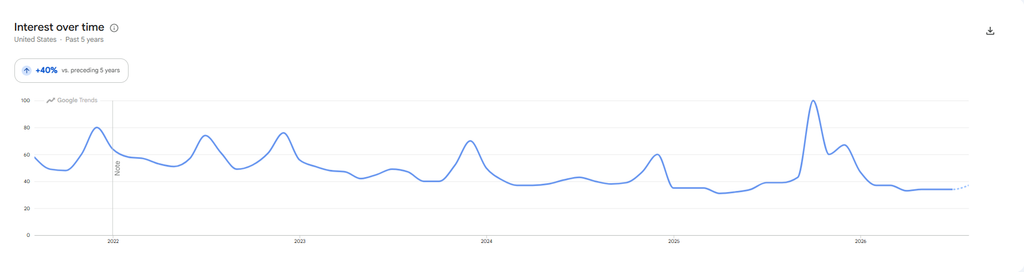
Funko itself has had a rough stretch. The company wrote off $30 to $36 million in excess inventory in early 2023 after years of overproduction, and annual net sales have declined from their peak. That overproduction is a big part of the story.
When a company makes too many of something, the resale value of the common stuff drops, because there’s simply too much of it floating around.
At the same time, rare and exclusive pieces have mostly held their ground or kept climbing. That split is the whole story of the modern Funko Pop market in one sentence: common Pops have softened, while genuinely scarce ones haven’t.
Funko has also scaled back production more recently, acknowledging the overproduction problem publicly. As fewer new releases flood the market, older vaulted Pops with real scarcity are seeing more demand from collectors trying to complete sets. That’s a meaningfully different environment than the one a lot of casual collectors bought into originally.
What Actually Drives a Funko Pop’s Value
A few specific factors separate a valuable Pop from a common one. Understanding these will help you sort your own collection faster than guessing ever will.
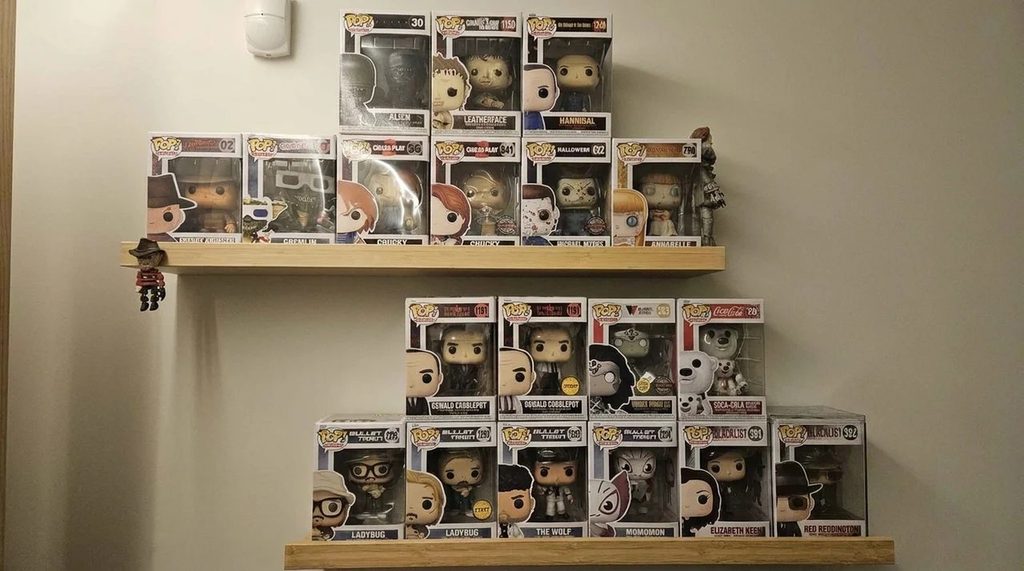
Rarity from production numbers. This is the single biggest factor. Most Pops are made by the tens of thousands. The genuinely valuable ones were made in the hundreds, sometimes fewer than fifty. Smaller runs mean less supply chasing the same demand.
Vaulting. When Funko officially retires a figure, collectors call it vaulting. Once a Pop is vaulted, no more units get made. If the character stays popular after that, prices for the existing supply tend to climb over time, since demand keeps existing while the supply doesn’t grow.
Convention and event exclusives. Figures sold only at events like San Diego Comic-Con or Funko’s own Fundays events exist in a fixed, small supply that never increases. These tend to hold value well, especially the ones tied to popular franchises.
Character and franchise popularity. A rare Pop tied to a character nobody remembers doesn’t attract much demand, no matter how small the production run was. A rare Pop tied to a character currently having a cultural moment, thanks to a new movie or show, can spike hard and fast.
Box and packaging condition. Corners and edges are usually the first thing to show wear. The plastic window can scratch, cloud, or dent. Sun fading and yellowing on white boxes is permanent. A Pop in a damaged box is worth meaningfully less than the same figure in a clean one, even though the figure inside hasn’t changed at all.
What Doesn’t Drive Value, Even Though It Feels Like It Should
A few common assumptions lead collectors astray, so it’s worth naming them directly.
Owning a lot of them isn’t the same as owning something valuable. A large collection of common Pops is still a large collection of common Pops. Volume doesn’t create scarcity.
Personal sentiment doesn’t transfer to resale price. The Pop you bought on a meaningful trip or received as a gift means something to you. That meaning doesn’t show up in what a buyer is willing to pay for it.
“Limited edition” printed on a box isn’t a guarantee. Plenty of Pops labeled as limited were still produced in large enough numbers that they don’t function like true rarities. Check actual production numbers where you can find them, not just the marketing language on the box.
How to Actually Check What You Have
Once you understand the categories above, sorting your own collection gets a lot more manageable.
Start by pulling out anything from a convention or special event, anything you know or suspect has been officially vaulted, and anything tied to a character currently popular in movies or shows. That’s your short list worth researching further.
For everything else, a fair assumption is that it’s worth somewhere close to retail, maybe a little more if it’s still sealed and undamaged, maybe less if the box has seen better days.
If you want a closer look at some of the specific figures known to carry real value, our guide on the rarest and most valuable Funko Pops walks through several genuine grails and what makes them different from an average Pop.
What This Means If You’re Thinking About Selling
If most of your collection turns out to be common Pops, that’s not a reason not to sell. It’s a reason to think about how you sell rather than whether you should.
Listing three hundred common Pops one at a time, photographing each one, writing each description, and shipping each order individually is a massive amount of work for a small return per item. Selling that portion of your collection as a group, to a buyer who handles all of that for you, usually makes more sense than the per-item math alone would suggest.
Any genuinely rare pieces you find are worth handling differently. Those are usually better off listed individually, where the right collector can find them and pay what they’re actually worth.
Turn Your Funko Pop Collection Into Cash
Whether your shelf is mostly common Pops, a handful of real finds, or some mix of both, we make it simple to find out what it’s worth.
Use our online toy pricer or app to tell us what you have. We’ll review it and send back a fair offer, usually within a couple of days.
Get a free quote on your Funko Pop collection →
People Also Ask…
Not much beyond retail, for most of them. In a typical collection, only a small percentage of figures carry real resale value, and many collections have none at all.
Small production numbers are the biggest factor, along with vaulting, convention exclusives, and demand tied to a currently popular character or franchise.
Yes, quite a bit. Corner and edge wear, a scratched or clouded window, and sun fading all reduce a Pop’s resale value, even though the figure itself is unchanged.
Not necessarily. Some limited editions were still produced in large enough numbers that they behave like common Pops on the resale market. The actual production number matters more than the label.
Selling common Pops as a group to a bulk buyer is usually more practical than listing each one individually. Save the individual-listing approach for pieces you’ve confirmed are genuinely rare.