Most Funko Pops are worth about what you paid for them. That’s not a knock on the hobby. It’s just the math. Out of a typical collection, only a small handful of figures carry any real resale value. The rest are decoration.
But that small handful is worth knowing about, because when a Pop is genuinely rare, the numbers get wild fast. We’re talking thousands of dollars, sometimes tens of thousands, for a single figure the size of your palm.
This guide walks through some of the rarest Funko Pops ever made, what actually makes a Pop valuable, and how to figure out whether your own shelf has a hidden grail sitting on it.
What Actually Makes a Funko Pop Rare
Before we get to specific figures, it helps to know what separates a real grail from a common Pop that just feels special to you.
Production numbers matter more than anything else. Funko makes most Pops by the tens of thousands. The figures on this list were made in the dozens, sometimes fewer than twenty. That gap is the entire reason these figures are worth what they’re worth.
Convention exclusives carry real weight. Pops given away or sold only at events like San Diego Comic-Con exist in a fixed, tiny supply that never grows. Once the convention ends, that’s it.
Vaulting cuts off future supply. When Funko retires a figure, collectors call it vaulting. No more units get made. If the character stays popular after that, prices tend to drift upward over time, since demand keeps existing while supply doesn’t.
A good story helps. Figures tied to a famous mix-up, a canceled licensing deal, or a wild resale history tend to attract extra attention beyond just the numbers. Collectors like a Pop with a story attached.
Five of the Rarest Funko Pops Ever Made
Glow-in-the-Dark Freddy Funko as Count Chocula
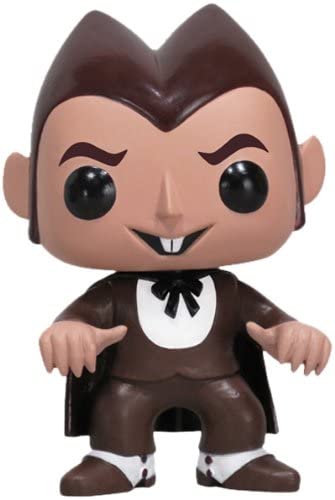
This one crosses two collector worlds at once: Funko completionists and cereal mascot nostalgia. Only about a dozen were ever made, and the crossover appeal pushed prices into the thousands almost immediately. Figures like this have reportedly changed hands for close to $20,000.
Freddy Funko as Jaime Lannister, Bloody Variant
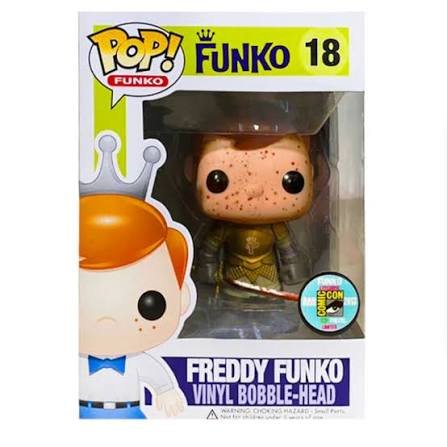
Tied to Game of Thrones at the height of the show’s popularity, this figure was produced in a similarly tiny batch of around a dozen units. Sales in the low five figures have been reported for this one.
Glow-in-the-Dark Alex DeLarge from A Clockwork Orange
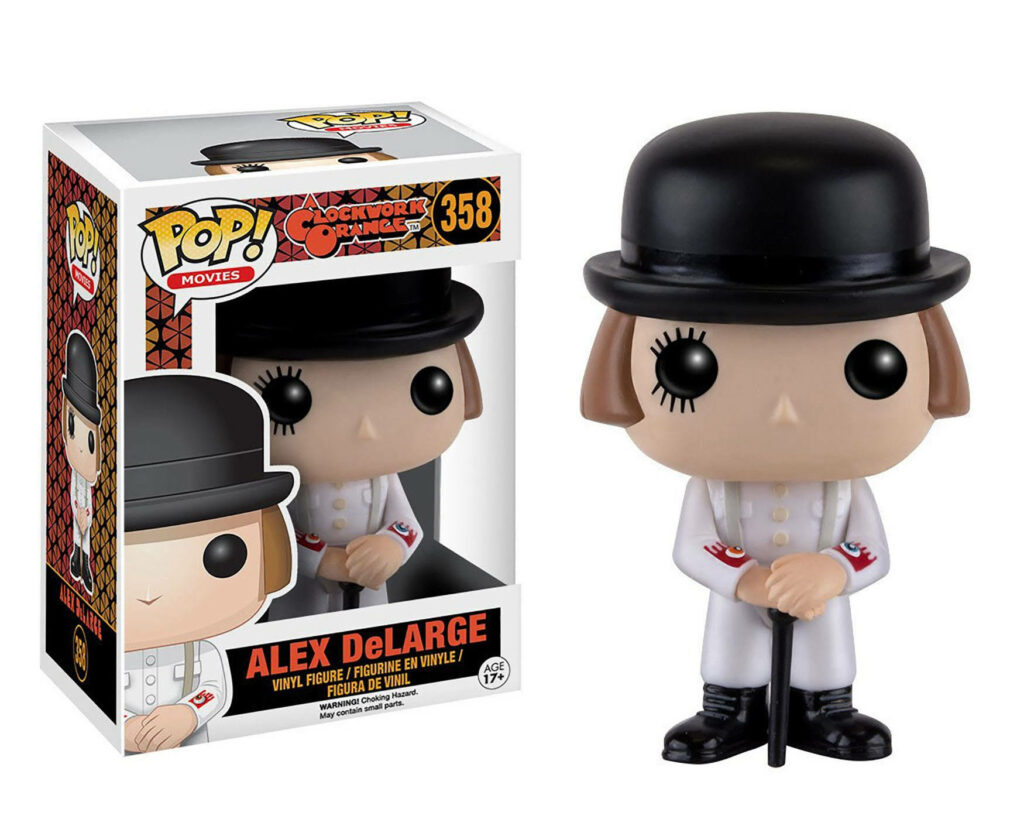
This figure comes with an unusual extra: each box was signed by Funko’s own CEO, Brian Mariotti. It peaked around $60,000 during the height of collector hype in 2022 and 2023. More recent sales have settled closer to $22,000 to $25,000, which is still a serious number for a single figure, even after cooling off from its peak.
Flocked Thundercats Lion-O, San Diego Comic-Con 2014
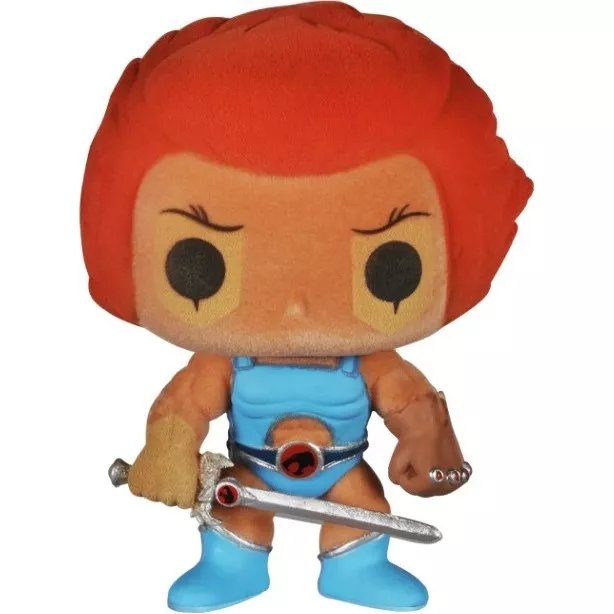
This one stands out from the rest of the list because it’s not a Freddy Funko variant at all. It’s a flocked version of Lion-O from Thundercats, limited to 1,000 pieces and sold exclusively at the 2014 convention. Flocking gives the figure a soft, fuzzy texture instead of the usual smooth vinyl finish, and that combination of a beloved 80s character, a flocked treatment, and convention-only availability has made it one of the more sought-after pieces from that year’s show.
Freddy Funko, Clear Glitter Creature Edition
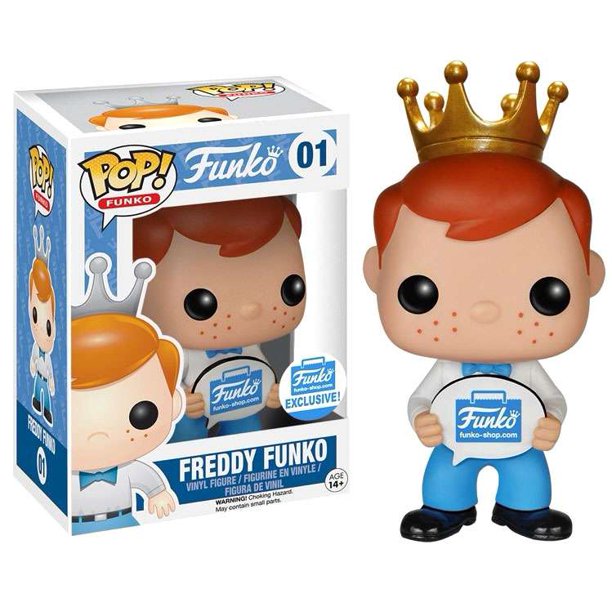
As far as anyone knows, only one of these was ever made. It comes with its own certificate of authenticity, and it was never sold to the general public in the first place. A one-of-one with paperwork to prove it is about as rare as this hobby gets.
Why the Numbers on This List Move Around
If you look up any of these figures elsewhere, you might see different prices than what’s listed here. That’s normal, and it’s worth understanding why.
Grail-level collectibles don’t have a fixed price the way a retail item does. Their value comes from whoever is willing to pay the most at a given moment, and that number moves with the market. A well-known example: a Willy Wonka Golden Ticket 2-pack sold for $100,000 in 2022, then $210,000 a year later, then dropped back down to $86,620 at a more recent sale. Even the most legendary Funko Pops swing hard based on who’s buying and when.
Treat any specific number you see, including the ones above, as a snapshot rather than a guarantee. If you think you might actually own one of these figures, the real number only shows up once a real buyer makes a real offer.
What This Means for Your Own Collection
Here’s the part that matters most if you’re not sitting on a one-of-one grail, which, statistically, you’re probably not.
The genuinely valuable Pops in most collections make up a small slice of the total, often under 5%. In plenty of collections, that number is zero. That’s not meant to be discouraging. It’s just realistic, and it’s worth knowing going in so you’re not disappointed when your 300-Pop collection doesn’t turn into a windfall.
What it does mean is that your collection is really two different things at once. There’s the small chance you’re holding something genuinely rare, worth chasing down and researching properly. And there’s everything else, which still has value, just not grail-level value, and is often better sold as a group than piece by piece.
If you want a deeper walkthrough of how to tell those two categories apart in your own collection, that’s a natural next step once you’ve read through this list.
Turn Your Funko Pop Collection Into Cash
Whether you’ve got a genuine rarity, a wall of common Pops, or some mix of both, we make it simple to find out what your collection is actually worth.
Use our online toy pricer or app to tell us what you have. We’ll review it and send back a fair offer, and there’s no cost to you to find out what your collection could bring.
Get a free quote on your Funko Pop collection →
People Also Ask…
Real rarity comes from a small original production run, usually in the dozens rather than the thousands. Convention exclusives and vaulted figures are the most common sources of that kind of scarcity.
A vaulted Pop is one Funko has officially stopped producing. No more units get made after that point, and if the character stays popular, prices for the existing supply tend to rise over time.
Not always. Grail-level Pops especially can swing a lot over time, sometimes dropping tens of thousands of dollars between sales. Treat any listed price as a snapshot, not a guarantee.
Look for low production numbers, convention exclusives, and figures Funko has officially vaulted. Most collections have at most a small handful of pieces that fall into these categories, if any.
No. Even without a grail-level figure, a full collection of common Pops still has real value, especially when sold together as a group rather than piece by piece.