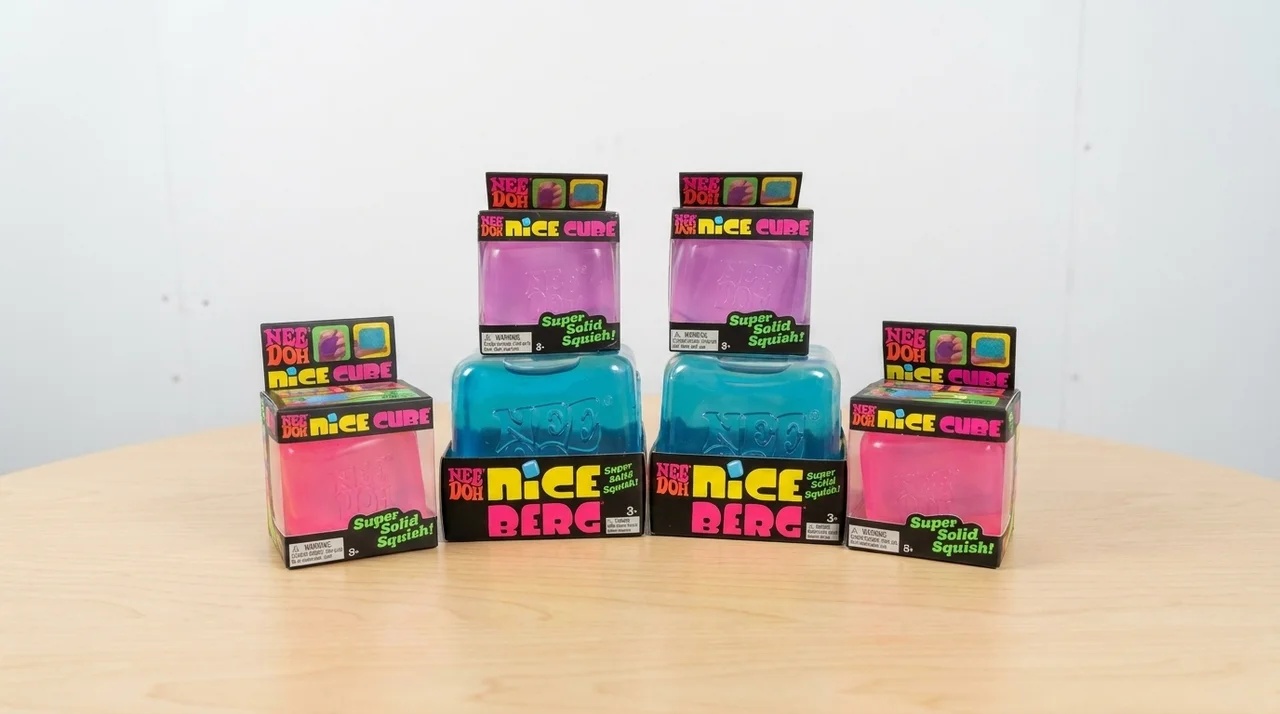
If you’ve got a bin of sealed NeeDohs and you’re staring at it wondering what to do, you’re probably not stuck because you don’t know how to sell them. You’re stuck because part of you doesn’t know if you should keep needohs sealed.
That’s a normal place to land. Perhaps you love the styles you have. Maybe some part of you thinks prices could climb even higher. Or maybe it just feels wasteful to sell something you were once so excited to find.
This guide isn’t here to tell you to sell everything. It’s here to help you figure out what’s actually worth holding onto, and what’s better off turned into cash while the market still supports it.
Start With Why You’re Hesitating
Before you decide what to keep, it helps to be honest about why you’re keeping anything at all. The reason usually falls into one of three buckets.
You genuinely love specific styles. Maybe you have a favorite color, a style you find yourself squeezing every day, or a piece that means something because of when or how you got it. That’s a real reason to keep something, and it has nothing to do with resale value.
You’re holding out for a bigger payout. Maybe you bought during the shortage and you’re hoping prices climb even higher before you sell. This reason is worth examining closely, because it depends on the market continuing to move in your favor, and that’s not guaranteed.
You just haven’t gotten around to selling yet. No real reason. The bin sits there because dealing with it feels like a project for another day. This is the most common reason, and it’s the one worth challenging hardest, since it’s costing you money for no actual benefit.
Knowing which of these applies to you changes the whole decision. Sentimental value is worth honoring. Waiting on the market is a bet you should make with your eyes open. Procrastination isn’t a reason at all.
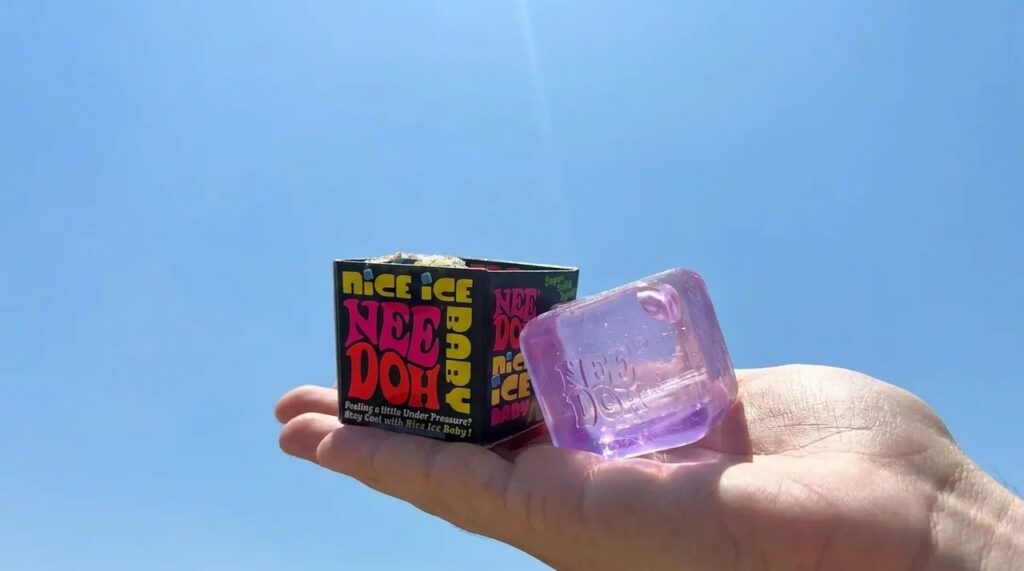
The Case for Keeping a Few
There’s nothing wrong with keeping a handful of NeeDohs for yourself. A collection doesn’t have to be all-or-nothing.
Pick out the styles you’d actually miss. Maybe it’s the one you use daily for stress relief. Maybe it’s a color you just like looking at on your desk. If a piece brings you real, ongoing use or enjoyment, holding onto it makes sense regardless of what it might sell for.
The same goes for anything genuinely rare in your collection. If you’ve got a discontinued colorway or a regional exclusive, and you’re not in a rush for cash, it’s reasonable to sit on that specific piece a little longer while the market plays out. Our guide on the rarest and most valuable NeeDohs can help you figure out which pieces in your collection actually fall into that category, instead of guessing.
The Case for Selling Most of It
Here’s where things get less sentimental. If most of your bin is common styles you bought during the shortage, mainly because they were available rather than because you loved them, there’s a strong case for selling that portion soon.
The math is pretty simple. Resale value tied to a shortage is temporary by nature. As Schylling catches up on restocks, that value tends to fade rather than grow. Our piece on whether the NeeDoh bubble is popping walks through why that trend is already underway, and why waiting longer is more likely to cost you money than earn you more.
There’s also a simpler point buried under all the market analysis: a NeeDoh sitting sealed in a bin isn’t doing anything for you. It’s not being used, since it’s sealed. It’s not growing in sentimental value, since you probably don’t even remember which specific piece is which once you own dozens of them. The only thing it’s doing is taking up space while its resale value slowly drifts downward.
A Simple Way to Sort Your Collection
If you’re not sure where to draw the line, try physically sorting your collection into three small piles.
Pile one: styles you’d genuinely miss. These are the ones you keep, no analysis needed. If picking it up makes you smile or you actually use it, that’s reason enough.
Pile two: anything that might be genuinely rare. Discontinued colors, regional exclusives, early production pieces, or branded collaborations. Set these aside and research them a little further before deciding, since they’re the pieces most likely to be worth more than a quick glance suggests.
Pile three: everything else. Common styles, duplicates, and pieces you can’t remember why you bought. This pile is almost always the biggest one, and it’s the one with the clearest case for selling now rather than later.
Once you’ve sorted, pile three is usually obvious. That’s your bulk lot. Piles one and two are the ones worth a little more thought.
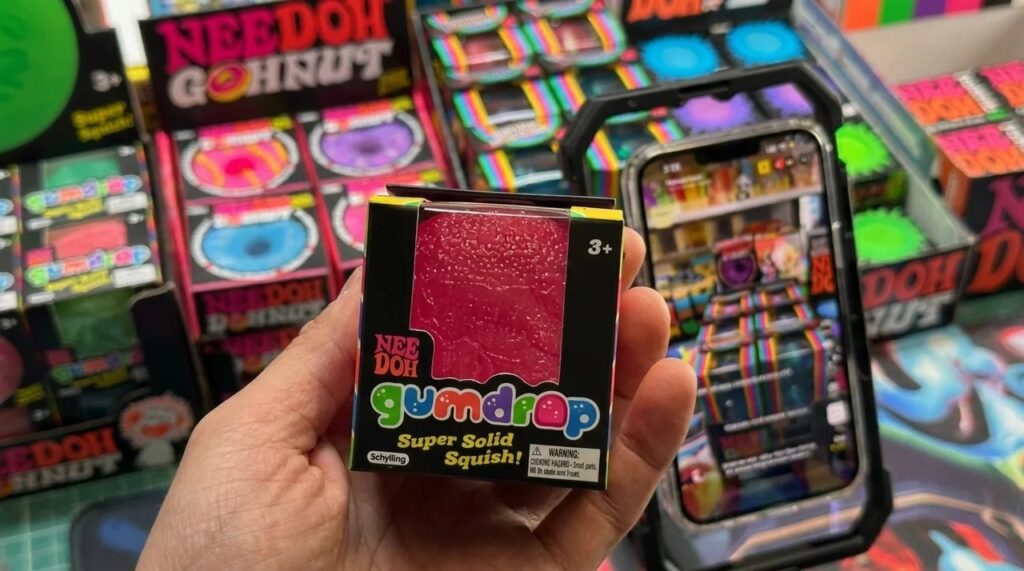
What to Do With Duplicates Specifically
If a lot of your “everything else” pile is actually the exact same style, bought in twos and threes because that’s what was left on the shelf, that’s an especially easy call. A duplicate doesn’t get more valuable by sitting next to its twin. Keep one if you like the style. Sell the rest.
Turning Pile Three Into Cash
Once you’ve decided what’s actually worth keeping, selling the rest doesn’t have to be complicated.
Step 1 — Connect. Tell us what you have. A rough count and a photo of your collection is enough to get started.
Step 2 — Get a quote. We review your submission and send back an offer, usually within 48 hours.
Step 3 — Send and get paid. Like the offer? We send a prepaid shipping label. Once your collection arrives and we check it against your submission, you’re paid within 48 hours by check, Venmo, or PayPal.
There are no listing fees. No photographing dozens of pieces yourself. No waiting on buyers one at a time. If your pile three turned out bigger than expected, our guide on how to sell a bulk NeeDoh collection covers exactly what that process looks like.
Frequently Asked Questions
Absolutely. Not every decision here has to be about resale value. If a piece genuinely brings you enjoyment, that’s a perfectly good reason to keep it.
Look for discontinued colorways, regional exclusives, early production pieces, or branded collaborations. Our rarest NeeDoh guide walks through what to look for in more detail.
That’s a real gamble, not a guarantee. Current trends point toward prices softening as restocks continue, not climbing further. Holding everything indefinitely is more likely to cost you value than protect it.
Keep one if you like the style, and sell the rest. A duplicate doesn’t gain extra value by sitting unused next to an identical piece.
Not entirely, but a rough sort helps. Pulling out anything you want to keep or think might be rare first means the rest can go straight into a bulk sale without a second thought.