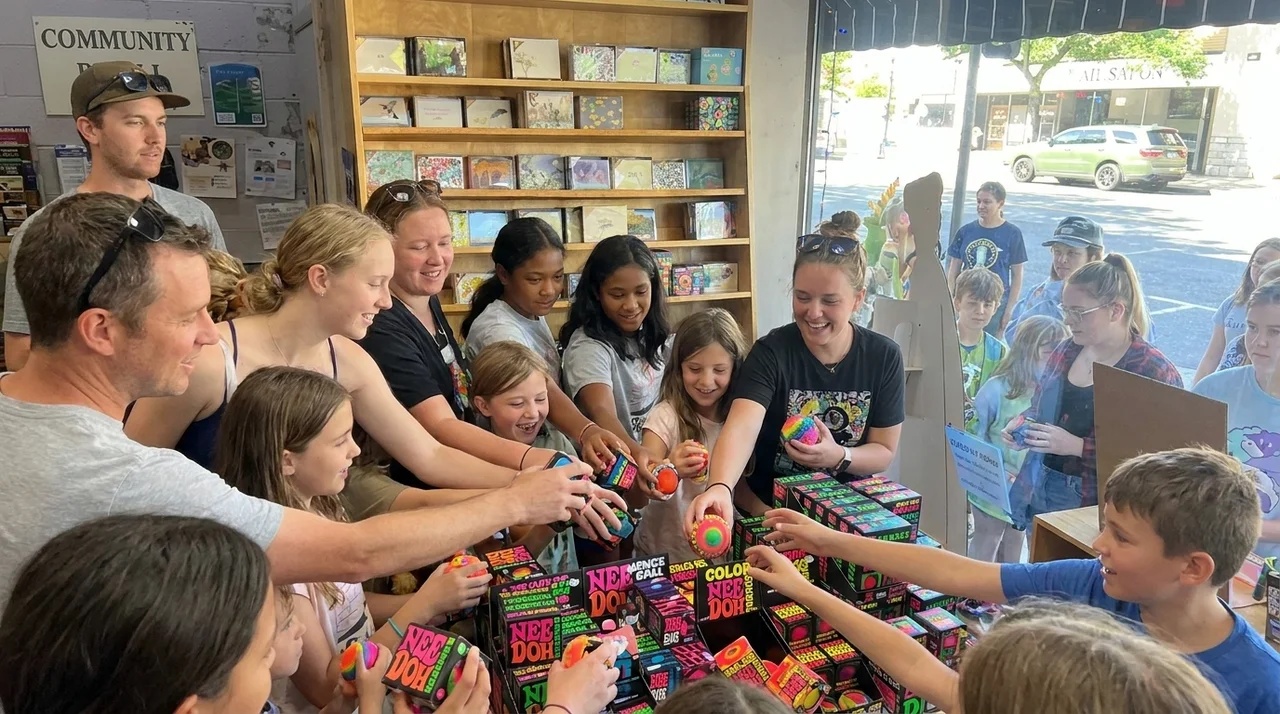
A year ago, NeeDoh was nearly impossible to find on a store shelf. Today, that’s starting to change.
If you’ve got sealed NeeDohs sitting in a bin, that shift matters more than it might seem. The resale prices you’ve seen online, the ones that made this a story in the first place, were built on scarcity. And scarcity doesn’t last forever.
This article looks at what happens to a viral toy’s resale value once the shortage that created it starts to fade. It’s not a guess. It’s a pattern that’s played out before, more than once, with other toys that followed the exact same path.
How a Shortage Creates a Bubble
Here’s the basic mechanics of what happened with NeeDoh.
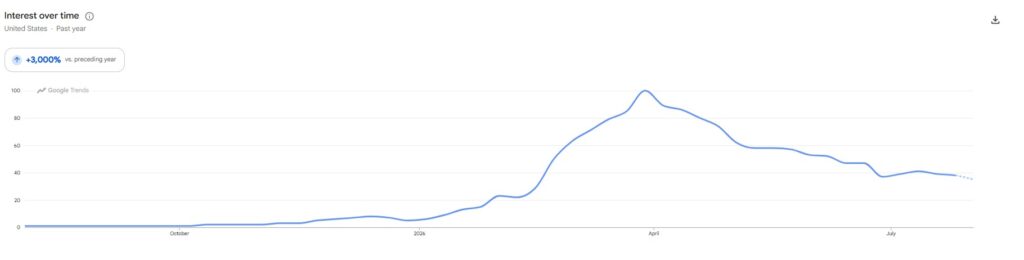
Demand spiked fast, thanks to a wave of attention on TikTok. Supply couldn’t keep up, so shelves emptied out within weeks. Once shelves went bare, buyers who still wanted one had nowhere to go but online.
That’s where the real price jump happened. Search interest in NeeDoh on eBay’s collectibles section climbed by more than 700% at the peak. Average resale prices tracked by StockX ran four to five times higher than retail during the busiest stretch. None of that reflected the toy’s actual, long-term value. It reflected a temporary gap between how many people wanted one and how many were actually available.
That gap is the entire bubble. And gaps like this one tend to close.
The Pattern Has Played Out Before
NeeDoh isn’t the first toy to go through this. Two recent examples make the pattern easy to see.
Squishmallows went through nearly the same arc. A wave of viral attention drove demand far past what stores could stock. Certain styles briefly resold for many times their retail price. As production caught up and new releases kept coming, most of that premium faded. Today, most Squishmallows sell close to retail, with only genuinely rare, retired styles holding real resale value.
Labubu followed a similar path, just more recently and more dramatically. Viral demand created a real shortage, resale prices spiked hard, and the company has been working to restock ever since. As availability improves, the same softening has started to show up in resale prices for common styles, even while genuinely limited editions continue to command a premium.
In both cases, the toys themselves didn’t change. What changed was supply. Once supply caught up with demand, the bubble that scarcity created started losing air.
What’s Actually Happening With NeeDoh Right Now
Schylling has been working to restock retailers throughout the year. That’s a direct response to the shortage, and it’s exactly the kind of move that starts to deflate a resale bubble.
As more NeeDoh reaches store shelves, the reason to pay a resale premium starts disappearing. Why would a buyer pay four times retail online when they can walk into a store and pay retail instead? Once that question becomes easy to answer, prices online start drifting back down.
This doesn’t mean every NeeDoh is about to become worthless. Genuinely discontinued and limited-run styles, the ones that already stopped shipping to stores, will likely hold more of their value than common styles still in production. That’s the same pattern that played out with Squishmallows: rarity survives a market correction even when the general hype premium doesn’t. If you want a deeper breakdown of which styles are more likely to hold value, our guide to what NeeDoh toys are actually worth in 2026 covers that in detail.
Why Timing Matters More Than People Think
It’s tempting to hold onto a collection and wait for prices to climb even higher. For a narrow slice of genuinely rare styles, that might even pay off. For most sealed NeeDoh sitting in a bin right now, the math points the other way.
Resale value driven by a shortage is, by nature, temporary. It exists because supply can’t meet demand, and every restock chips away at that gap. The people most likely to buy at a premium right now are the ones who still remember not being able to find one. As shelves fill back up, that memory fades fast, and so does their willingness to pay extra.
There’s also a supply-side pressure building on the seller side. A lot of people who panic-bought during the shortage are sitting on the exact same realization you are. As more of them decide to sell, more sealed NeeDoh floods the resale market at the same time restocks are easing the shortage from the other direction. Both forces push prices down together.
None of this means values crash overnight. It means the window to sell at a real premium is open now, and it’s closing gradually as supply and seller behavior both shift.
What This Means If You’re Sitting on a Collection
If your collection is mostly common, current-release styles, the case for selling soon is strong. Those are the styles most exposed to the restock effect, and their resale premium is the most fragile.
If you’ve got a handful of genuinely rare or discontinued styles, you have a little more room to wait, but even those aren’t immune to the broader cooling happening around them. A rare style still benefits from selling into a market where buyers are actively paying attention to NeeDoh at all, and that attention fades as the initial hype settles.
Either way, the appeal of selling now over selling in six months comes down to one thing: the shortage premium is a moving target, and it’s moving down.
Turning Your Collection Into Cash Before the Window Closes
If you’ve decided the time to sell is now, there are a few ways to go about it. Our guide to where to sell NeeDoh compares eBay, Facebook groups, Mercari, and selling in bulk, if you want to weigh those options first.
If you’d rather skip the comparison shopping and just get a number, we make that simple.
Step 1 — Connect. Tell us what you have. A rough count and a photo of your collection is enough to get started.
Step 2 — Get a quote. We review your submission and send back an offer, usually within 48 hours.
Step 3 — Send and get paid. Like the offer? We send a prepaid shipping label. Once your collection arrives and we check it against your submission, you’re paid within 48 hours by check, Venmo, or PayPal.
No listing fees. No photographing dozens of pieces yourself. No waiting on buyers one at a time. If you’re sitting on a larger lot, our guide on how to sell a bulk NeeDoh collection walks through what that process looks like in more detail.
Frequently Asked Questions
It’s starting to, at least for common styles. As Schylling restocks retailers, the shortage that drove up resale prices is easing, and the premium tied to scarcity tends to shrink as supply catches up.
A full crash to zero is unlikely, since the toy still has real appeal on its own. What’s more likely is a return closer to normal pricing, similar to what happened with Squishmallows after their own shortage eased.
They’re more protected than common styles, but not fully immune. Scarcity still supports their price, but overall buyer attention on NeeDoh cools as the broader hype settles, which affects even the rarer pieces over time.
Both toys saw viral demand outpace supply, which drove resale prices well above retail. As production caught up in both cases, most of that premium faded, except for genuinely rare or retired styles.
If your collection is mostly common styles, selling sooner tends to work in your favor, since that premium is the most exposed to restocks. Rare or discontinued styles have a bit more room to wait, but the overall window is closing for everyone.