
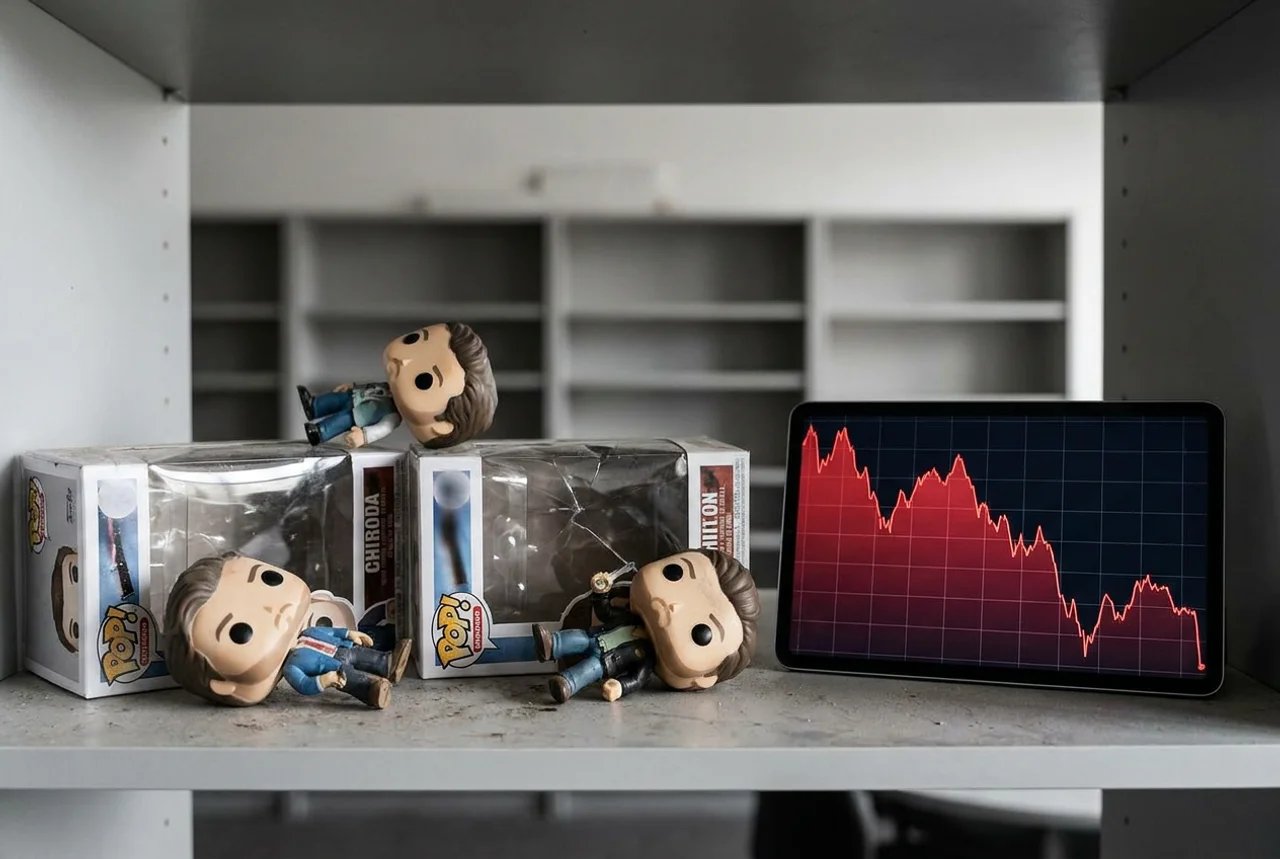
Funko itself admitted something serious in late 2025. The company warned investors it might not survive another year. That warning came straight from an SEC filing, not a rumor or a collector forum post.
If you own a Funko Pop collection, that headline probably got your attention. This guide breaks down what’s actually happening to Funko’s business. It covers what that means for resale prices. It also explains what a “crash” really looks like for different parts of your collection.
What Actually Happened to Funko
Funko’s financial trouble didn’t start overnight. The company reported a net loss of $154 million back in 2023. That same year, Funko wrote off $35 million worth of unsold inventory. Reports say the company dumped that stock in a landfill, since storing it cost more than the write-off itself.
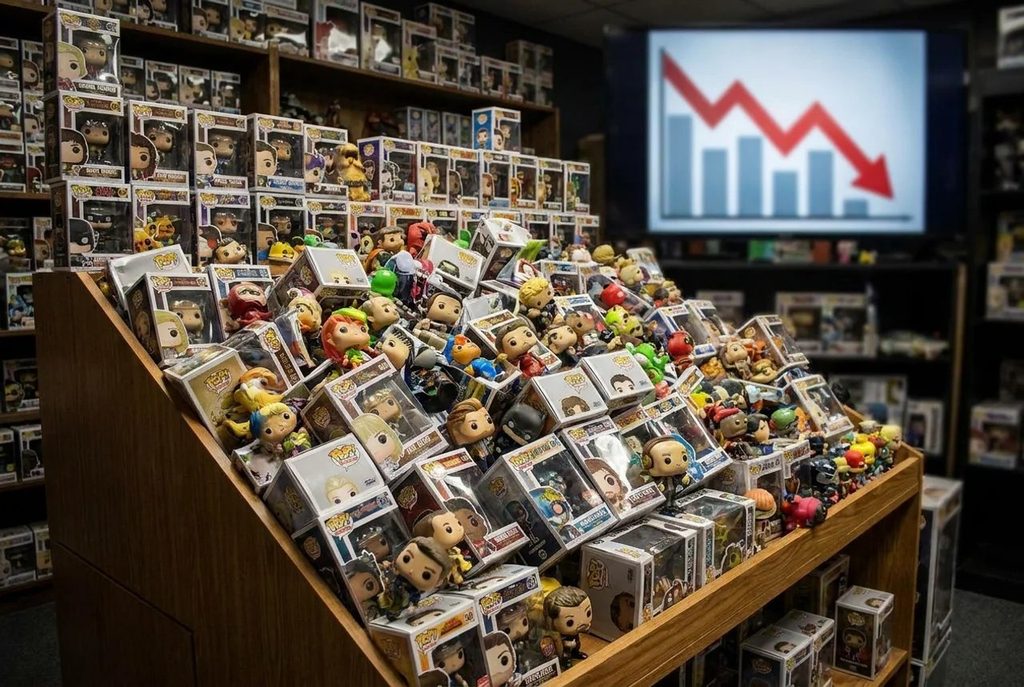
The pattern continued into 2025. Funko’s second-quarter net sales fell 22% year over year. The company swung from a $5.4 million profit the year before to a $41 million loss. Funko cut its workforce by roughly 20% that quarter. Tariff pressure and shifting production out of China added extra strain.
By the third quarter of 2025, domestic sales had dropped over 20% year over year. Funko’s own SEC filing that November raised “substantial doubt” about its ability to keep operating. That’s serious, formal language. It signals real risk, not just a rough patch.
Why This Happened
A few forces combined to create this mess. Years of overproduction flooded the market with too many common figures. Retailers ended up holding inventory nobody wanted at full price. That oversupply crushed resale value for a huge share of everyday Pops, long before Funko’s corporate finances became a headline.
Rising tariffs added fresh cost pressure on top of that. Consumer interest in collecting also cooled somewhat industry-wide, spreading demand across newer competitors like Pop Mart’s Labubu line. Funko chased volume for years instead of scarcity. That strategy worked spectacularly for a while. It stopped working once the market got saturated with product nobody specifically wanted.
The More Recent Picture
The story doesn’t end at “crisis.” Funko’s fourth-quarter 2025 results actually beat analyst expectations. Sales still fell 7% year over year compared to the prior year. The company posted a small net loss of just $200,000, a huge improvement from the year before. Gross margin held steady above 40%.
Funko’s guidance for full-year 2026 projects sales flat to up 3% compared to 2025. That’s not a rebound to the company’s peak years. It does suggest the freefall has slowed. Europe delivered a genuine bright spot. Funko sales there rose 20% year over year.
That makes Funko the second-largest collectible brand in the region, behind Pokémon. Viral product launches like KPop Demon Hunters and the smaller Bitty Pop! line have also given the company real, if modest, momentum.
So the honest read is this: Funko went through a genuine crisis. Pieces of that crisis are still playing out. At the same time, the company isn’t in freefall anymore. Both things are true.
What This Means for the Secondary Market
Funko’s corporate troubles and the resale market for your Pops connect, but they don’t move in perfect lockstep. It helps to split your collection into two categories here.
Common, current-production Pops took the hardest hit. Years of overproduction already pushed resale prices for these figures close to retail, or sometimes below it. Funko’s financial struggles reflect that same oversupply problem from the other side of the business.
Nothing about the company’s recent stabilization changes this part of the market much. Common Pops were never going to carry serious resale value, and that hasn’t shifted.
Rare, vaulted, and exclusive Pops tell a different story. Collector demand for genuinely scarce figures has stayed resilient throughout Funko’s struggles. Some data even shows values climbing for limited-edition pieces.
Our guide on what vaulted Funko Pops are and whether they’re worth more explains why scarcity protects value. This holds true even when a company’s broader business struggles. Real rarity doesn’t disappear just because Funko as a company is having a hard year.
Should This Change When You Sell?
If most of your collection is common Pops, these market conditions don’t create new urgency exactly. But they don’t offer much reason to wait either. These figures were never going to appreciate meaningfully, and nothing in Funko’s recent struggles suggests that’s about to change. Waiting doesn’t cost you much upside, but it doesn’t gain you anything either.
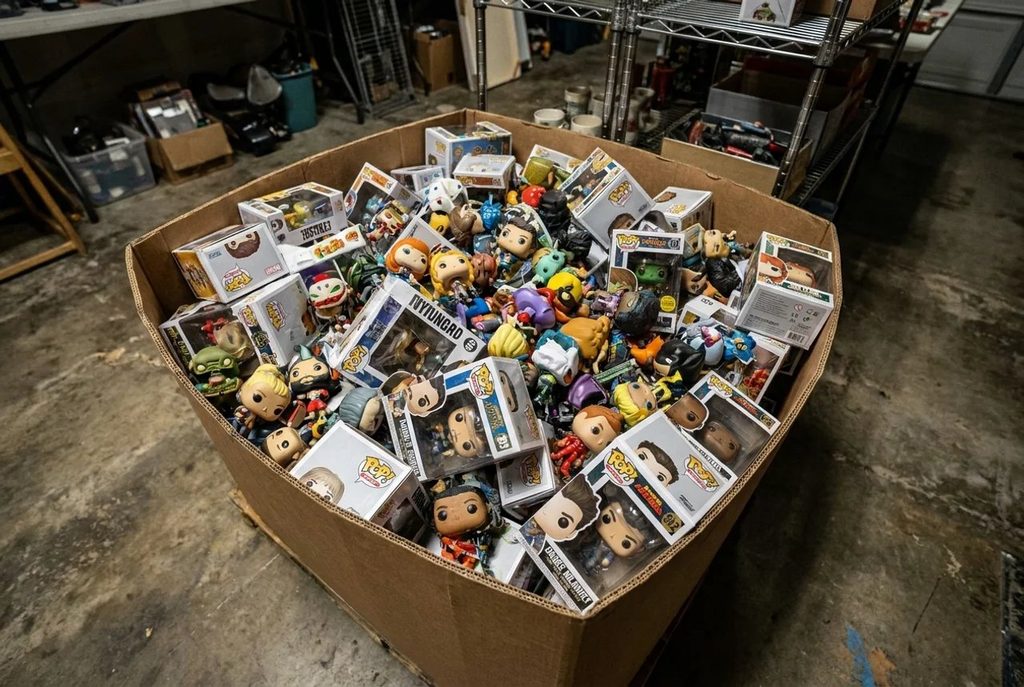
If you’re holding anything genuinely rare or vaulted, the calculation looks a little different. Collector demand for scarce pieces has held up well so far. That’s good news if you own something like that.
It’s still worth watching the broader market, though. A company under real financial pressure sometimes changes its behavior. That could mean license changes, production shifts, or other surprises down the road. Our guide on the rarest and most valuable Funko Pops covers what holds value best through periods like this.
What This Means If You’re Sorting a Collection Right Now
Given everything above, here’s a practical way to think about your own shelf.
Sort out anything you suspect is genuinely rare or vaulted first. Our guide on how to tell which of your Funko Pops are valuable walks through exactly how to do that. Those pieces are worth researching individually and possibly listing where a dedicated collector can find them.
Everything else, likely the majority of a typical collection, isn’t going to benefit much from waiting. A full market recovery may or may not fully arrive. Selling that portion now, as a bulk lot, gets you cash without betting on a turnaround that isn’t guaranteed. Our guide on how to sell a large Funko Pop collection covers exactly how that process works.
Turn Your Collection Into Cash Now
Whether you’re holding common Pops, something genuinely rare, or a mix of both, we make it easy. Find out what your collection is worth right now.
Use our online toy pricer or app to tell us what you have. We’ll review your submission and send back a fair offer, usually within a couple of days.
We charge no listing fees. You won’t photograph dozens of pieces yourself. You won’t wait on buyers one at a time.
People Also Ask…
Funko warned in a November 2025 SEC filing that its ability to continue operating faced “substantial doubt.” The company’s more recent fourth-quarter results beat expectations, and its 2026 guidance projects modest sales growth, so the picture has improved somewhat since that warning.
It depends on what you own. Common, current-production Pops were already worth close to retail. Years of overproduction did that, so the company’s troubles don’t change much for them. Genuinely rare or vaulted Pops have held collector demand well so far.
Years of overproduction flooded the market with common figures. Tariff pressure raised costs. Consumer interest also cooled somewhat, as competitors like Pop Mart gained ground. All of these forces combined to hurt Funko’s core business.
Most Funko Pops were never a strong investment to begin with. Only a small share of any collection tends to carry real resale value. That fact hasn’t changed. Genuinely rare and vaulted pieces still show more resilience than common figures.
For common Pops, waiting doesn’t offer much upside. These figures were unlikely to appreciate regardless of Funko’s situation. For rare pieces, demand has held up so far. But no market is fully guaranteed, so selling now removes that uncertainty entirely.