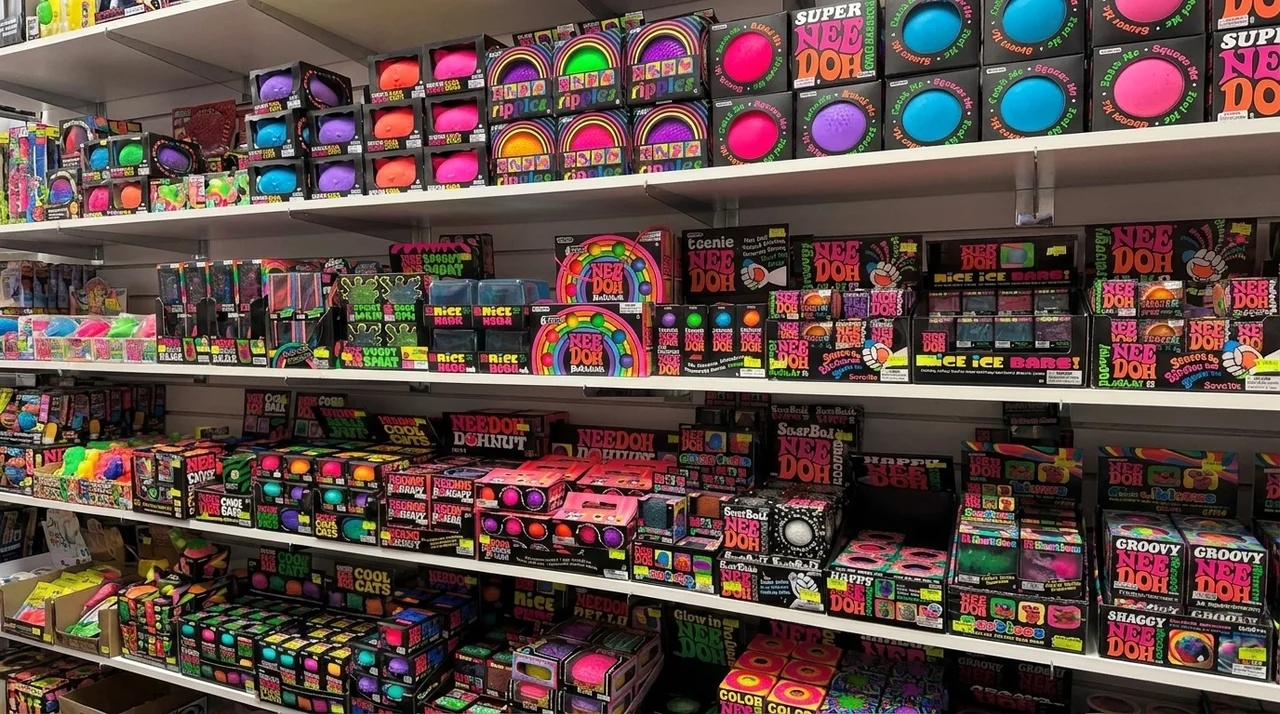
Not every NeeDoh is created equal. A style still sitting on shelves at Target isn’t worth much more than what you paid for it. A style that stopped shipping two years ago and never came back is a different story entirely.
This guide walks through what actually makes a NeeDoh rare, the specific categories collectors chase hardest, and how to tell genuine rarity apart from a toy that just feels hard to find right now.
What “Rare” Actually Means
There are two very different things people call rare, and mixing them up leads to bad expectations.
The first is real, collector-level rarity. This means a style had a genuinely small production run, got discontinued, or is old enough that most units are long gone. These styles command real secondary-market prices, and you can’t just walk into a store and buy one.
The second is temporary scarcity. This is a style still in production that sells out fast because demand outpaces supply for a week or two. It feels rare in the moment. It isn’t rare in the collector sense, because it restocks. You just have to catch it at the right time.
Knowing which category a NeeDoh falls into matters more than knowing its name. A style that’s “sold out everywhere” this week might be back on shelves next month. A style that’s actually discontinued never will be.
The Categories That Drive Real Rarity
Genuine NeeDoh rarity tends to come from a handful of specific causes. Knowing them helps you sort your own collection more accurately than just guessing based on how hard a style was to find.
Early Production Runs
The very first NeeDoh units, made when the line launched back in 2017, exist in far smaller numbers than anything released since.
Early runs like this typically used slightly different materials and packaging than later versions, which makes them identifiable to a careful eye. These are the closest thing NeeDoh has to a true grail piece, since so few exist and demand for them only grows over time.
Discontinued Colorways and Styles
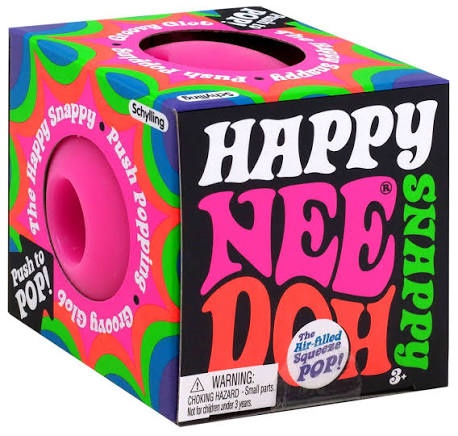
Schylling regularly retires colors and styles as new ones launch. Once a colorway is gone, it’s gone for good. These discontinued pieces are some of the most reliably valuable NeeDohs, because unlike a temporary shortage, there’s no restock coming.
Regional Exclusives
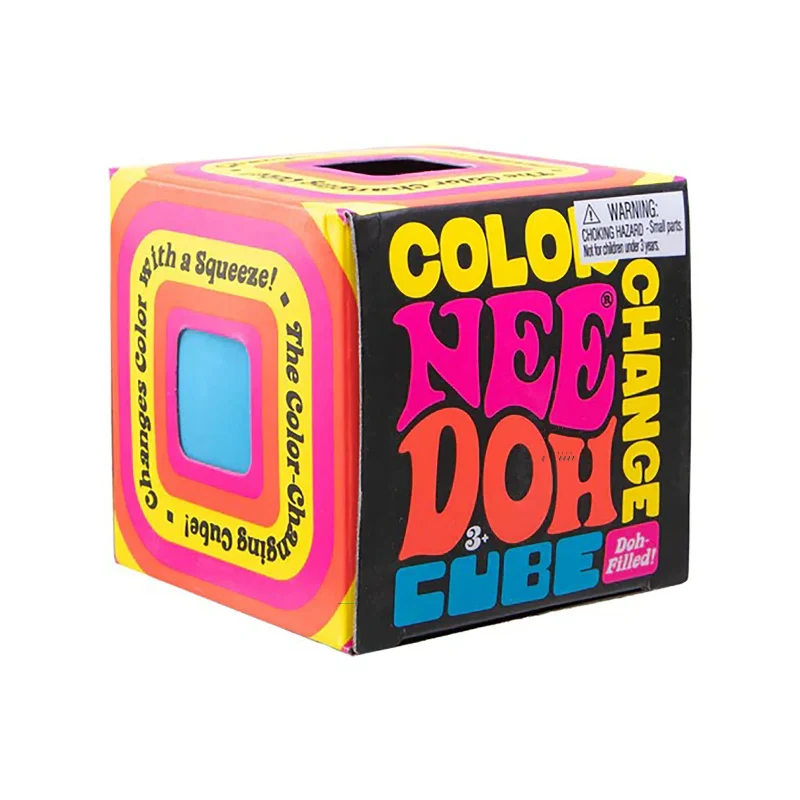
Some styles only ever shipped to specific countries. A collector outside that region has no normal way to get one, short of importing it or buying from a seller overseas. Regional exclusives tend to hold steady value because the pool of available units never grows.
Branded Collaborations
Schylling has partnered with outside brands on limited-run NeeDoh styles tied to a specific product or company.
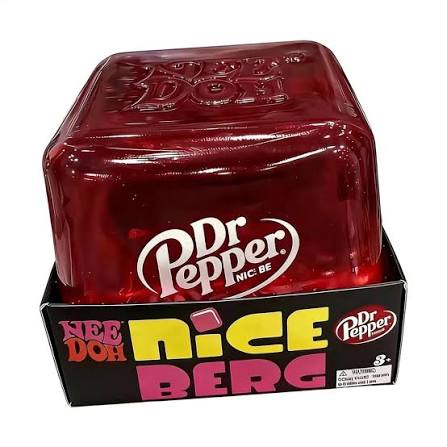
These collaboration pieces usually get a short production window before they’re gone, and they attract two different kinds of buyers at once: NeeDoh collectors and fans of whatever brand it’s tied to. That overlap tends to push demand, and prices, higher than a standard limited style.
Small-Batch Specialty Releases
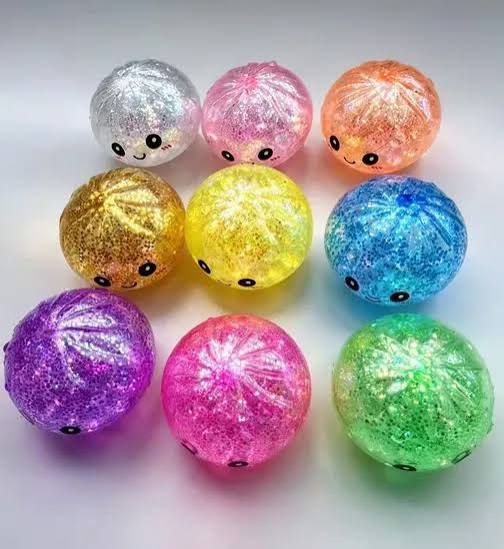
Glitter finishes, glow-in-the-dark materials, and other specialty textures sometimes launch in smaller quantities than a standard colorway, often ahead of a bigger promotional push. When a release like this happens before a style catches on widely, the surviving units end up scarcer than later, more widely produced versions of the same idea.
Why You Should Be Skeptical of Specific Price Numbers
Search around for “rarest NeeDoh” and you’ll find guides listing exact dollar figures next to specific styles, sometimes running into the hundreds of dollars. Treat those numbers carefully.
A lot of these guides pull from active asking prices, not completed sales. Anyone can list a NeeDoh for $500. That listing sitting there for months with no buyer tells you nothing about what the toy is actually worth. Some of these sites also run on affiliate links, which gives them a built-in reason to make a rare toy sound as valuable as possible.
The more trustworthy signal is a completed sale, not an asking price. If you want a general sense of how style and scarcity affect value, our guide on what NeeDoh toys are actually worth in 2026 breaks down the difference between the two in more detail.
Individual dollar amounts you find online for specific rare pieces are worth treating as a rough starting point at best, not a guarantee of what a buyer will actually pay.
How to Tell If You Have Something Genuinely Rare
A few quick checks can tell you a lot before you go searching for a specific price.
Start with the packaging. Older, discontinued styles often look noticeably different from what’s currently on shelves, whether that’s the box design, the printed logo, or the material itself. If your sealed NeeDoh doesn’t match anything currently for sale in stores, that’s a good early sign.
Next, check whether the style is still listed as available anywhere official. If Schylling’s current lineup doesn’t include it, and it hasn’t shown up in stores for a while, you’re likely looking at a discontinued piece rather than a temporarily sold-out one.
Finally, watch out for fakes claiming rarity that doesn’t exist. The genuine rule here is simple: real rarity always comes from an authentic Schylling release. If a “rare NeeDoh” carries branding you can’t find anywhere in Schylling’s actual lineup, treat it with real suspicion until you can confirm it’s legitimate.
What This Means for Your Own Collection
If your NeeDoh collection is mostly recent, common styles bought during the rush, don’t expect grail-level prices. That’s completely normal, and it doesn’t mean your collection has no value. It just means the value is closer to a fair bulk price than a rare-item premium.
If you’ve got a handful of older, discontinued, or regionally exclusive pieces mixed in, those specific items are worth a second look before you sell everything as one lot. Set them aside, and consider whether they’re worth listing individually.
Our comparison of where to sell NeeDoh walks through the trade-offs between selling piece by piece and selling in bulk, which matters most once you’ve identified a genuinely rare item in the mix.
And if most of what you have is common styles with a few standouts, you don’t have to pick one approach for the whole collection. Plenty of sellers list the rare pieces on their own and sell the rest together as a lot.
Sell Your NeeDoh Collection to Us
Whether your collection is mostly common styles, a few genuine rarities, or a mix of both, we make it simple to turn it into cash.
Step 1 — Connect. Tell us what you have. A rough count and a few photos is enough to get started.
Step 2 — Get a quote. We review your submission and send back an offer, usually within 48 hours.
Step 3 — Send and get paid. Like the offer? We send a prepaid shipping label. Once your collection arrives and we check it against your submission, you’re paid within 48 hours by check, Venmo, or PayPal.
There are no listing fees. No photographing dozens of pieces yourself. No waiting on buyers one at a time. If you’re holding onto your collection because you’re unsure how much longer the market will support strong offers, our piece on whether the NeeDoh bubble is popping is worth a read before you decide.
Frequently Asked Questions
Real rarity comes from a small production run, a permanent discontinuation, a regional exclusive, or a limited collaboration release. Temporary scarcity from a normal sellout doesn’t count, since those styles usually restock.
Generally, yes. Early production runs exist in much smaller numbers than anything released since, and they’re the closest thing this toy line has to a true collector grail.
Treat them as rough starting points, not guarantees. Many are built from active asking prices rather than completed sales, and some carry affiliate incentives to inflate perceived value.
Check whether the packaging and branding match an authentic Schylling release. Real rarity always traces back to an official Schylling product. Unfamiliar branding on a “rare” listing is a red flag.
It’s often worth it. Setting aside genuinely rare pieces and listing them individually can capture more value than selling everything together, while the rest of your collection can still move quickly as a bulk lot.