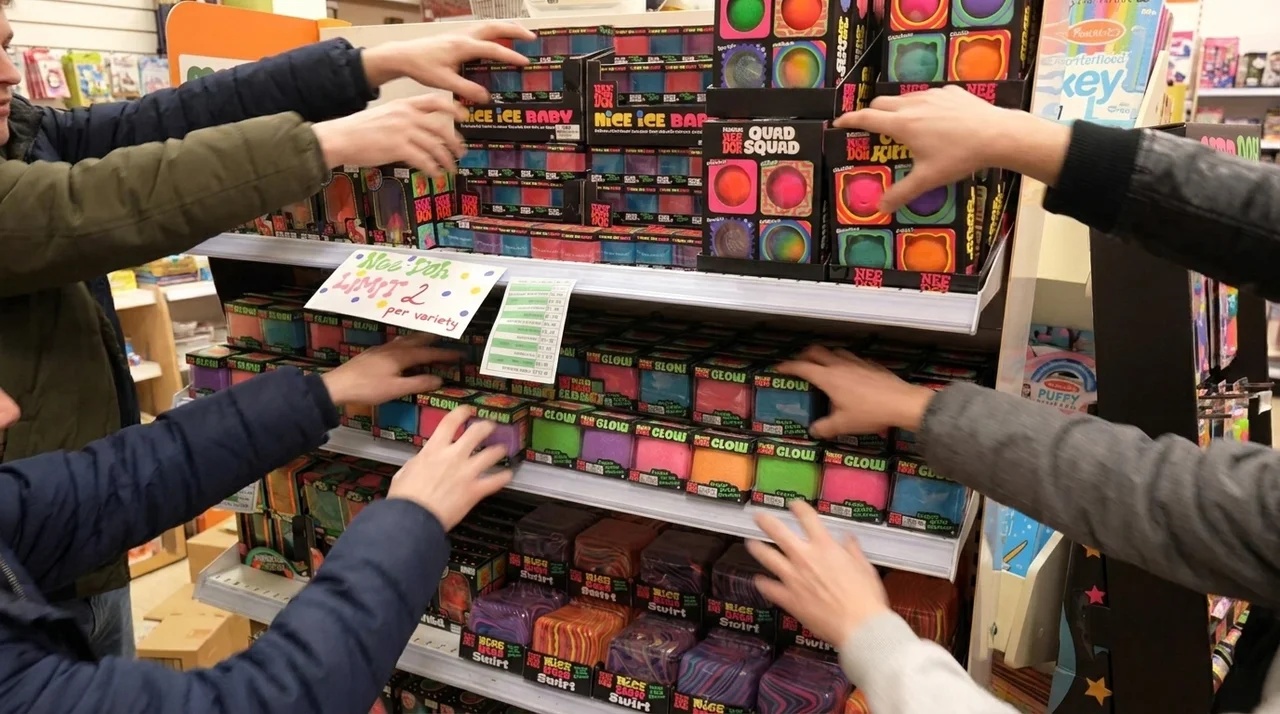
If you spent months hunting for NeeDoh and came up empty more times than not, you’re not imagining it. This was a real, well-documented shortage, and it followed a pattern that’s easy to understand once you see the pieces laid out.
This guide walks through why NeeDoh sold out in the first place, what that shortage did to prices, and why the picture is already starting to shift.
Where It Started
NeeDoh has existed since 2017. For years, it sat quietly in toy aisles as a modest sensory toy from Schylling, a company that’s been making fidget products for a long time without much attention.
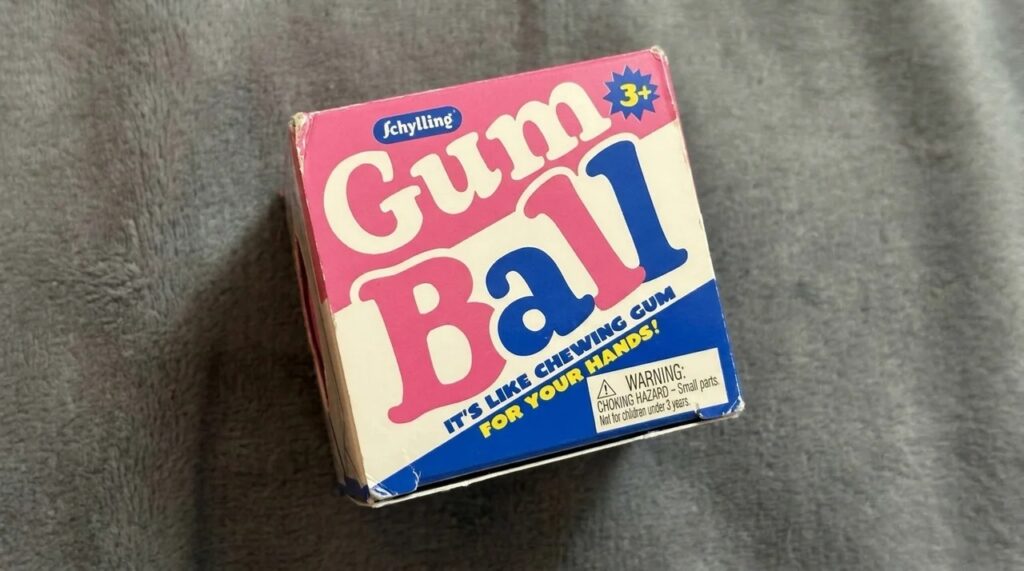
That changed when NeeDoh caught on with a wave of short videos online. People squeezing and stretching the squishy material found an audience the same way slime and Orbeez content did before it. The difference with NeeDoh was speed. Attention turned into store runs almost immediately.
Why Supply Couldn’t Keep Up
Here’s the part that actually created the shortage: toy manufacturing doesn’t scale up overnight.
Schylling had planned production and inventory based on NeeDoh’s normal, steady sales history. That planning didn’t account for a sudden viral spike. Factories, materials, and shipping schedules were already set months in advance, based on demand that no longer matched reality.
Reports at the time described Schylling selling through an entire year’s worth of planned inventory in about nine weeks. That’s not a slow, gradual sellout. That’s demand arriving all at once, against a supply chain that was never built to react that fast.
Once shelves emptied out, retailers had no quick way to restock. New inventory takes time to manufacture, ship, and distribute, even under normal conditions. Under a sudden demand spike, that lag stretches even longer.
What the Shortage Did to Prices
Empty shelves sent buyers looking online, and that’s where the resale market took off.
Search interest in NeeDoh on eBay’s collectibles category jumped by more than 700% at the busiest point. StockX, a platform that tracks resale pricing closely, showed NeeDoh selling for four to five times its normal retail price during that stretch. None of that reflected a change in what the toy actually is. It reflected a gap between how many people wanted one and how many were sitting on a shelf anywhere.
That gap is the entire story behind the wild prices you’ve probably seen referenced online. Scarcity, not the product itself, was doing the work.
Why the Shortage Is Already Easing
Shortages like this one don’t last forever, and NeeDoh’s is no exception.
Schylling has been actively restocking retailers throughout the year, working through the gap between demand and supply that the initial viral spike created. That’s the normal recovery phase after any shortage like this. Production catches up, shipments resume at a steady pace, and shelves that were empty for months start filling back in.
This part of the story rarely gets as much attention as the sellout itself, but it matters just as much if you’re holding onto inventory. As more NeeDoh becomes available in stores, the core reason resale buyers were willing to pay a premium starts disappearing. Why would someone pay four times retail online when they can walk into a store and pay retail instead? Once that becomes an easy option again, resale prices come down to meet it.
This Isn’t the First Time This Has Happened
NeeDoh’s shortage-to-recovery arc isn’t unique. Squishmallows and Labubu both followed a similar path in recent memory. Viral demand outpaced supply, resale prices spiked hard for a stretch, and then production caught up. Once it did, most of the resale premium faded for common styles, while genuinely rare or discontinued pieces held onto more of their value.
That pattern is worth paying attention to, because it tells you roughly what to expect next. The wild prices tied to a shortage tend to fade as the shortage itself fades. What survives is the value tied to genuine scarcity, not to a temporary supply gap. Our piece on the rarest and most valuable NeeDohs covers which categories of NeeDoh are more likely to hold value even as the broader shortage premium cools.
What This Means If You’re Holding a Collection
If you bought NeeDoh during the worst of the shortage, largely because it was hard to find rather than because you sought out a specific rare style, the value you’re holding is tied closely to that shortage. As the shortage fades, that value is likely to fade with it.
This isn’t a reason to panic. It’s a reason to think about timing. Our piece on whether the NeeDoh bubble is popping goes deeper into what that cooling trend looks like and why selling sooner tends to work out better than waiting.
If you’re not sure how much of your collection is common versus genuinely scarce, our NeeDoh price guide breaks resale value down by category, which can help you figure out what’s worth holding a little longer versus what’s worth selling now.
Turning the Shortage Into an Opportunity
The upside of understanding this cycle is knowing when to act on it. Right now, resale demand is still elevated compared to where it will likely settle once restocks fully catch up. That makes this a reasonable window to sell, especially for common styles that don’t have much staying power once shelves fill back in.
Step 1 — Connect. Tell us what you have. A rough count and a photo of your collection is enough to get started.
Step 2 — Get a quote. We review your submission and send back an offer, usually within 48 hours.
Step 3 — Send and get paid. Like the offer? We send a prepaid shipping label. Once your collection arrives and we check it against your submission, you’re paid within 48 hours by check, Venmo, or PayPal.
There are no listing fees. No photographing dozens of pieces yourself. No waiting on buyers one at a time. If you’re sitting on a larger collection from the height of the shortage, our guide on how to sell a bulk NeeDoh collection covers exactly how that process works.
Frequently Asked Questions
A sudden wave of viral attention drove demand far beyond what Schylling had planned for. Toy production and shipping schedules are set months in advance, so supply couldn’t react quickly enough to keep up.
It’s improving. Schylling has been restocking retailers throughout the year, and availability has been getting better as production catches up with demand.
For common styles, that’s the likely direction. As restocks continue, the resale premium tied to scarcity tends to fade, similar to what happened with Squishmallows and Labubu after their own shortages eased.
No. Common, current-production styles are the most exposed to falling resale prices as restocks continue. Genuinely discontinued or regional-exclusive styles tend to hold their value better, since restocking doesn’t apply to them.
If your collection is mostly common styles bought during the shortage, selling sooner rather than later tends to capture more value, since that premium is closely tied to scarcity that’s already starting to ease.