You’ve got a box of Barbies somewhere. Maybe they’re yours from childhood. Maybe you inherited a relative’s collection. At some point you’ve wondered if any of it is actually worth real money.
The honest answer depends on two things more than anything else. How old is the doll, and what condition is she in? This guide walks through both, so you can size up your own collection with real information instead of a guess.
The Two Factors That Matter Most
Barbie has been in production since 1959. Mattel has released thousands of different dolls since then. Most of them were never meant to be rare. They were meant to sell in huge numbers to kids, and they did exactly that.
Two things separate the handful of valuable dolls from that huge everyday pile: era and condition.
Get both right, and you might be holding something genuinely worth money. Get either one wrong, and you’re probably holding a nice keepsake worth a modest amount.
Why Era Matters So Much
Dolls from 1959 through 1966 sit at the top of the collector market by a wide margin. This is the earliest stretch of Barbie’s production, and it produced the fewest dolls relative to everything that came after. The original 1959 Barbie, especially early “Ponytail” versions with their original swimsuit and accessories, tops nearly every serious price guide.
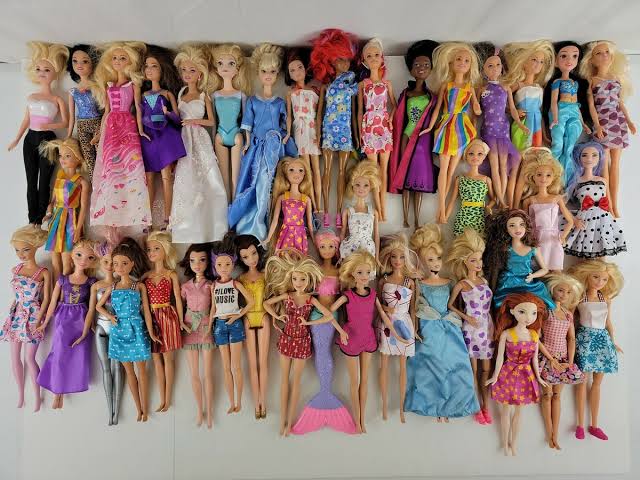
Dolls from the late 1960s through the 1970s hold real but more modest value.
Collectors call this the “Mod” era, and certain releases from it, like Twist ‘n Turn Barbie, still command solid prices. Dolls from the 1980s and 1990s occupy a much wider range. Most are common.
A specific handful, tied to designer collaborations or short-run collector series, buck that trend completely.
Modern collector-focused releases are their own category. Lines built for adult collectors from the start follow different rules than a doll originally sold as a kid’s toy. The Silkstone series is a good example.
Our guide on the rarest and most valuable Barbie dolls breaks down specific eras and releases in more depth.
Why Condition Matters Just as Much
Era sets the ceiling. Condition decides how close you actually get to it.
A mint-in-box doll can sell for five to twenty times what the same doll fetches loose and played-with. That’s not a small gap. It’s the difference between a nice sale and a genuinely serious one.
A doll that’s been played with, even gently, usually shows it. Look for faded face paint, loose or cut hair, yellowed vinyl, or a body that doesn’t stand quite right anymore.
This is also why we only buy new-in-box dolls here at Sell Your Toys Now. It’s not a judgment on played-with dolls. It reflects how this market actually works. Box condition alone can be worth more than the doll itself in some cases.
That’s because the box protects everything else about the doll’s condition too. Our guide on whether the box matters for Barbie doll value covers this in full detail.
What Doesn’t Matter as Much as People Think
A few common assumptions lead new sellers astray.
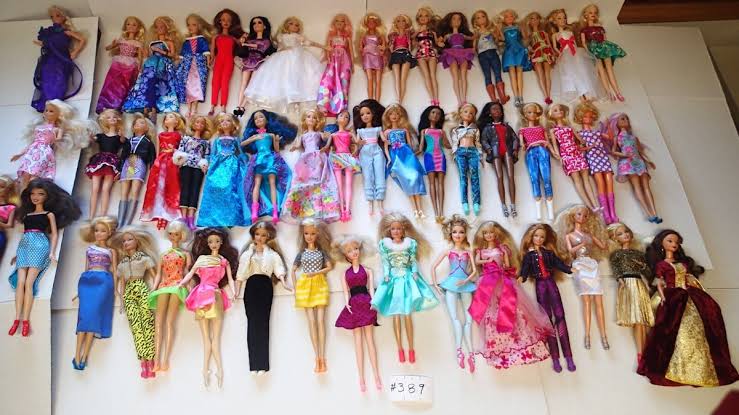
Owning a lot of dolls isn’t the same as owning valuable dolls. A big collection of common 1990s dolls is still a big collection of common dolls. Volume doesn’t create rarity on its own.
A doll being old doesn’t automatically make it valuable. Plenty of 1970s and 1980s Barbies were mass produced in huge numbers. They stayed common. Age matters far less without genuine scarcity behind it.
“Limited edition” printed on a box isn’t a guarantee. Some limited runs from the 1990s and 2000s were still produced in large enough numbers. Those trade closer to common dolls than true rarities. Check the actual production context, not just the marketing language.
How to Actually Check What You Have
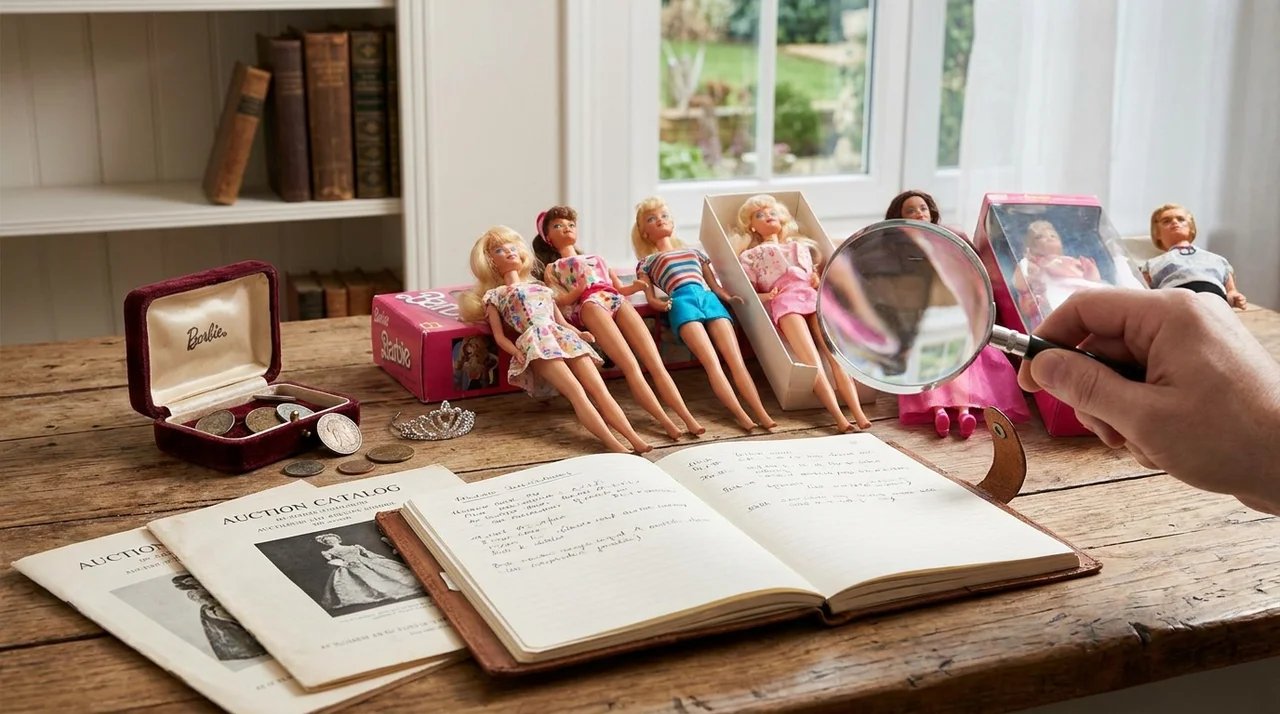
Start by sorting for era first. Anything from before 1967 deserves close attention regardless of condition. Anything from a named collector line, like Bob Mackie, Silkstone, or the Fashion Model Collection, also deserves a second look.
For everything else, check whether the box is intact and whether the doll has ever been removed from it. That single detail does more to set expectations than almost anything else you can check.
Once you’ve sorted your dolls this way, use a fair assumption for most of the pile. Most fall in the range of common collectible pricing, unless something specific stands out. Our guide on how to spot a fake or reproduction vintage Barbie is worth checking too.
This matters most for the earliest and most valuable era, since that’s exactly where reproductions tend to show up.
What This Means If You’re Getting Ready to Sell
If most of your collection is common dolls from the 1980s and 1990s, that’s not a reason to skip selling. It’s a reason to think about how you sell rather than whether you should. Our guide on how to sell a large Barbie collection covers the most efficient path for a bigger group.
Anything you’ve identified as genuinely early, rare, or from a sought-after collector line deserves individual attention. Those pieces are worth researching on their own before you decide how to sell them.
Turn Your Barbie Collection Into Cash
Whether you’ve got common dolls, something genuinely rare, or a mix of both, we make it simple. Find out what your collection is worth.
Use our online toy pricer or app to tell us what you have. We’ll review your submission and send back a fair offer, usually within a couple of days.
We charge no listing fees. You won’t photograph dozens of dolls yourself. You won’t wait on buyers one at a time.
People Also Ask…
Not much beyond a modest resale value, for most of them. Real value concentrates in dolls from 1959 to 1966, plus specific collector lines and rare releases from later decades.
Yes, a great deal. A mint-in-box doll can sell for five to twenty times what the same doll fetches loose. Box condition is one of the biggest single factors in Barbie doll value.
No. Plenty of dolls from the 1970s and 1980s were mass produced and stayed common. Genuine scarcity matters more than age on its own.
Original 1959 to 1966 dolls sit at the top. Named collector lines like Bob Mackie, Silkstone, and the Fashion Model Collection also tend to hold real value. This is especially true in mint, boxed condition.
Selling a large group of common dolls together is usually more practical than listing each one individually. Set aside anything that looks genuinely rare or early. Sell the rest as a group.