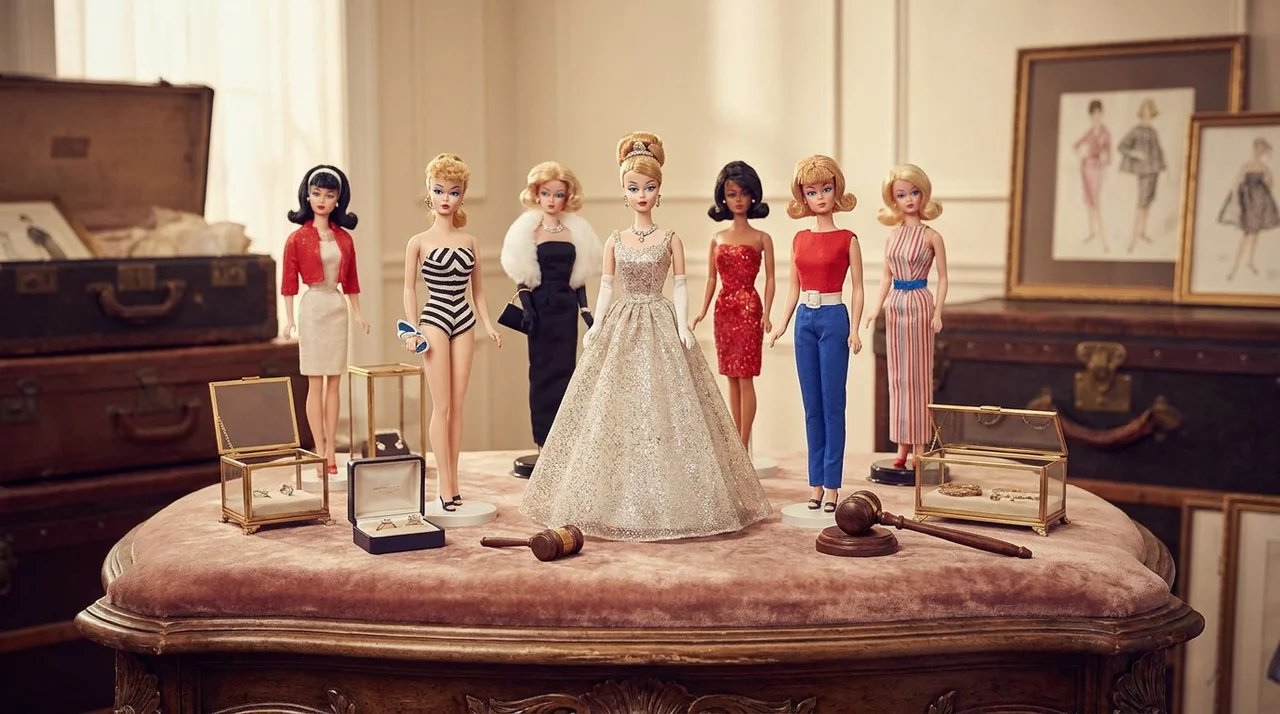
Most Barbie dolls are worth a modest amount, if that. A small handful are worth thousands, sometimes tens of thousands. This guide walks through what actually separates the two, and which specific dolls and eras collectors chase hardest.
What Actually Makes a Barbie Rare
A few specific factors drive real Barbie value. Knowing them helps you sort your own collection far better than guessing based on age alone.
Era above almost everything else. Dolls from 1959 through 1966 sit at the top of the market. Production numbers were far lower in these early years than in any decade that followed. Demand for this era has stayed strong for decades.
Original packaging and accessories. A doll with her original box, stand, and accessories is worth dramatically more than the same doll loose. Sometimes five to twenty times more. Missing shoes, a swapped outfit, or a lost stand all pull value down.
Named collector lines. Releases built specifically for adult collectors, rather than as a kid’s toy, follow their own value rules. Bob Mackie designs and the Silkstone series are the two most collected examples.
Genuine limited runs. Some releases were produced in small numbers on purpose. Think a convention exclusive, a members-only club release, or a short promotional window. These hold value differently than a doll simply labeled “limited edition” that was still mass produced.
Condition of the doll herself. Vinyl fading and hair damage both affect value. So does green ear, a discoloration issue common in vintage dolls from certain earring materials.
The Original 1959 Barbie
This is the doll every serious guide starts with, and for good reason. The very first Barbie, released in 1959, defines the top of this market. Early “Number 1” and “Number 2” dolls are the rarest and most valuable versions. Look for specific body markings and a distinctive foot stand to identify them.
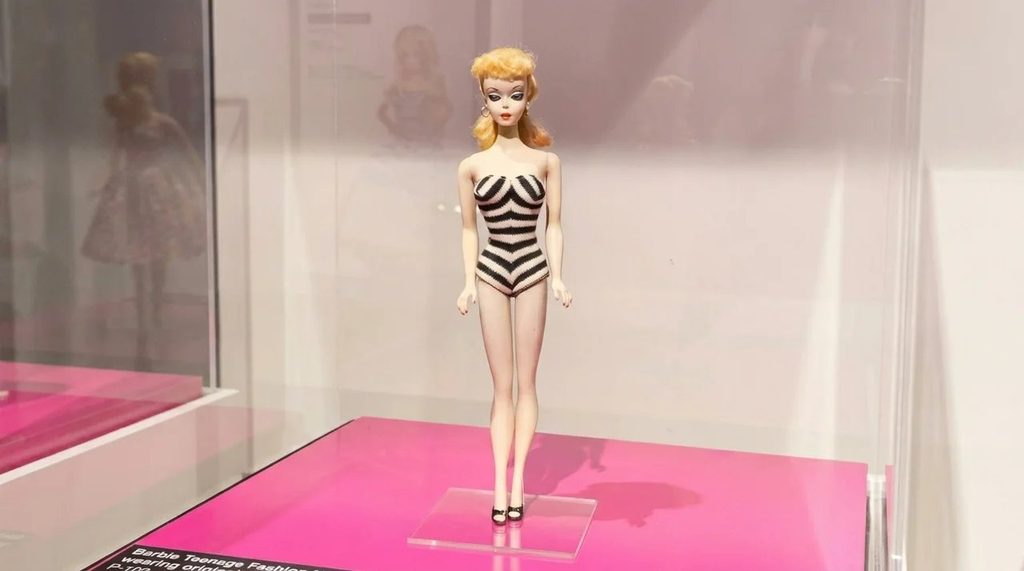
A genuine, mint-condition original in her box with accessories intact can sell for well into five figures. Even a well-preserved example without the box still commands serious money from collectors who specialize in this era specifically.
Bubblecut and Early 1960s Dolls
The Bubblecut hairstyle, introduced in the early 1960s, produced some of the most sought-after dolls from Barbie’s first decade. Color Magic Barbie, released in 1966 with a novelty color-changing feature, is another standout from this stretch.
Both benefit from the same production-scarcity logic as the original 1959 doll, just slightly less extreme.
American Girl Barbie
Released in the mid-1960s, American Girl Barbie introduced a bendable-leg body and a new face mold. Collectors still seek this release out specifically. Certain hair colors and variations from this release command a real premium over others from the same line.
Silkstone Dolls
Unlike the dolls above, Silkstone wasn’t built as a kid’s toy at all. Mattel launched the line specifically for adult collectors. It uses a different vinyl formulation, with considerably more detailed sculpting and fashion design than a standard Barbie.
Silkstone values vary widely depending on the specific release. Standard releases often sell in the low hundreds. Rare, early, or limited Silkstone pieces can climb well beyond that. Collectors in this space also note real volatility.
Some early Silkstone releases have settled at roughly half their peak price over time. That’s a useful reminder that even dedicated collector lines aren’t immune to swings.
Bob Mackie Barbies
Designer Bob Mackie created a series of elaborately costumed Barbie dolls starting in the late 1980s. This line has remained one of the most consistently collected in Barbie’s history. Detailed gowns, dramatic styling, and limited production runs give these dolls staying power.
Most 1980s and 1990s releases don’t have that. Our guide on selling Bob Mackie Barbie dolls covers this line specifically.
Why the Numbers on This List Move Around
Grail-level Barbies don’t have a fixed price the way a retail item does. Value comes from whoever is willing to pay the most at a given moment. That number shifts with the market. A specific release can command a strong price one year and settle noticeably lower a few years later. Nothing about the doll itself has to change.
Treat any specific number you find, including the ranges above, as a general signal rather than a guarantee. The real number only shows up once an actual buyer makes an actual offer.
Watch for Reproductions on Anything From This List
The more valuable a specific doll or era becomes, the more likely you’ll run into a reproduction claiming to be the real thing. This is especially true for the original 1959 through 1966 dolls, since their high value makes them worth faking.
Our guide on how to spot a reproduction or fake vintage Barbie covers the checks worth running. Do these before you assume you own something genuinely rare.
What This Means for Your Own Collection
If your collection is mostly dolls from the 1980s and later, don’t expect grail-level numbers. That’s completely normal, and it doesn’t mean your collection has no value. It just means the value is closer to a fair bulk price than a rare-item premium.
Got a handful of older, boxed, or named-line dolls mixed in? Those specific pieces are worth a second look before you sell everything as one group.
Our guide on whether your Barbie dolls are actually worth anything walks through how to sort your whole collection. Use era and condition as your two filters.
Turn Your Barbie Collection Into Cash
Whether you’ve got a genuine rarity, common dolls, or a mix of both, we make it simple. Find out what your collection is worth.
Use our online toy pricer or app to tell us what you have. We’ll review it and send back a fair offer, usually within a couple of days.
People Also Ask…
The original 1959 Barbie tops nearly every serious price guide. Early “Number 1” and “Number 2” dolls in mint, boxed condition can sell for tens of thousands of dollars, if the accessories are intact.
It depends on the specific release. Standard Silkstone dolls often sell in the low hundreds, while rare or early releases can climb much higher. Values in this line can also swing noticeably over time.
Check body markings, foot stand type, and face mold details against a reference guide. Original packaging and accessories also matter enormously for confirming both authenticity and value.
They’re one of the most consistently collected lines in Barbie’s history, thanks to limited runs and detailed designer costuming. That’s true even though they weren’t produced in as small a quantity as the earliest 1959 dolls.
Grail-level collectibles don’t have a fixed price. Value depends on what a buyer is willing to pay at a given moment. That shifts with collector demand, which makes older listed prices unreliable as a current guarantee.