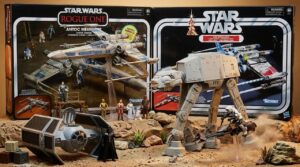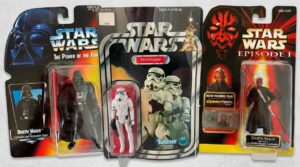
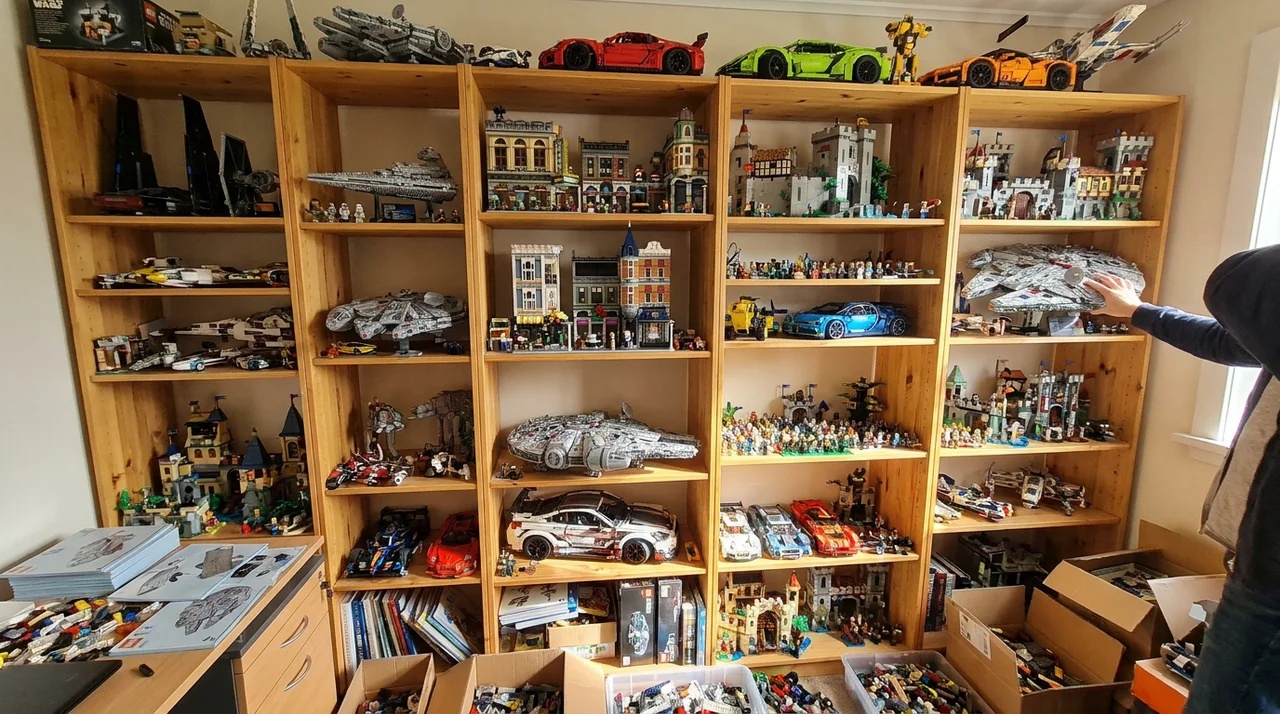
If you have LEGO sitting in a closet, a garage, or a bin your kids outgrew, there is a good chance it is worth more than you think. LEGO holds its value better than almost any other toy, and certain retired sets sell for many times what they cost new.
But value varies enormously from one set to the next, and a few key factors decide whether yours is worth a few dollars or a few thousand.
This guide walks through exactly what determines a LEGO set’s value in 2026, which kinds of sets are worth the most, and how to find out what yours might sell for. If you would rather skip the research, you can send us your list or photos and get a free quote.
What Determines How Much Your LEGO Is Worth
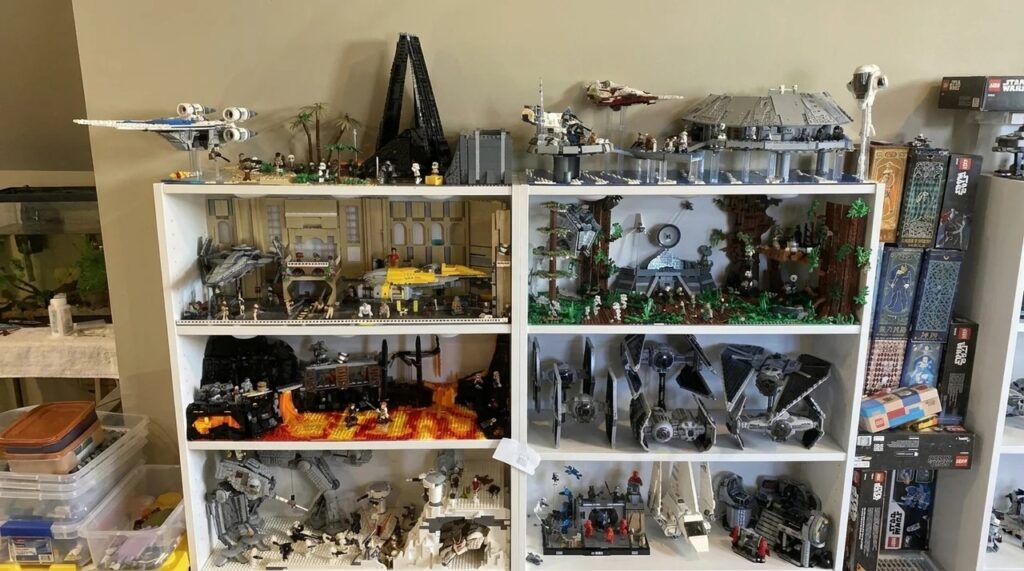
No single factor sets the price. Value comes from how several things stack up together:
- Theme and licensing. Licensed sets tend to command the highest prices, with Star Wars, Harry Potter, and Marvel among the strongest performers. The LEGO Ideas and Architecture lines also hold value well because they target adult collectors.
- Retirement status. Once LEGO stops producing a set, the supply is fixed. Retired sets frequently rise in price over time as the remaining copies get harder to find.
- Sealed versus used. A factory-sealed set in clean condition is the most valuable version of any set. Opened but complete sets are worth less, and incomplete sets less still.
- Completeness. The original box, the instructions, and every minifigure and piece all add up. A complete set is worth substantially more than one missing parts.
- Condition. Clean bricks with no heavy yellowing or sun fading, and boxes without crushing or water damage, bring the best prices.
- Rarity and age. Limited runs, exclusives, and older vintage sets carry a premium simply because fewer of them exist.
Why Retired LEGO Is Where the Real Money Is
The single biggest driver of LEGO value is retirement. When a set leaves shelves for good, collectors who missed it have only the secondary market left, and prices climb from there. The effect is strongest on large, popular sets.
The Ultimate Collector Series Millennium Falcon (set 75192) is a good example. It retails for around $850 and is expected to retire in 2026, and retired UCS Star Wars sets have a long track record of selling well above their original price once they are gone. A major wave of retirements is also scheduled for the end of 2026, which means a lot of currently available sets are about to become secondary-market-only.
If you own a set that is about to retire or has recently retired, that timing works in your favor. Demand tends to spike right around the moment a set becomes unavailable.
The Hidden Value in Minifigures
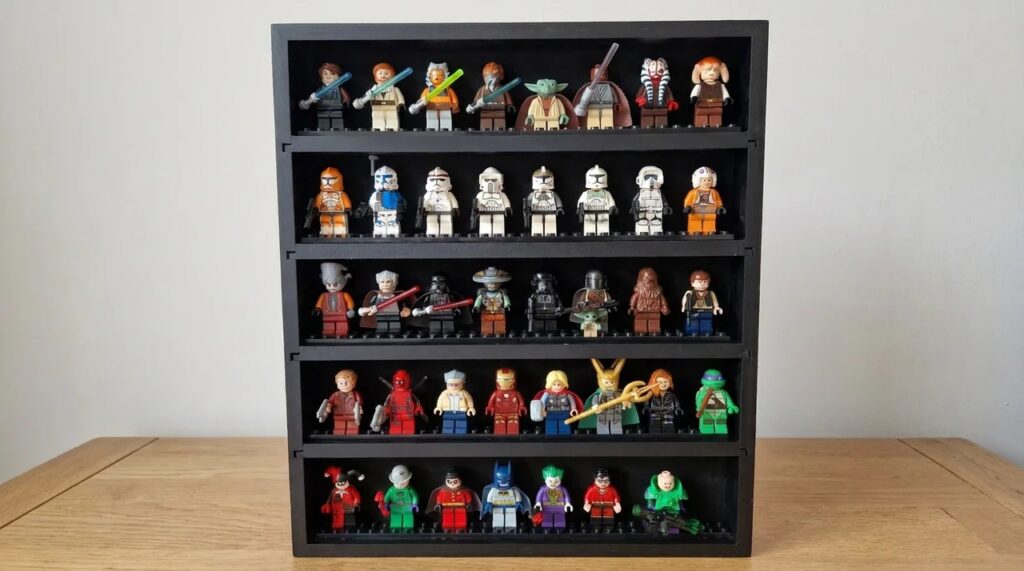
One thing people often overlook: the minifigures inside a set can be worth as much as, or more than, the set itself. For some collectible sets, the exclusive characters account for half or more of the total secondary-market value. A rare Star Wars, Harry Potter, or Marvel minifigure that only ever appeared in one set can be in high demand on its own.
So if you have loose minifigures, or sets with rare figures still inside, do not write them off. They are frequently the most valuable part of a collection.
Examples of LEGO That Sells for Serious Money
To put the numbers in perspective, consider the 2007 Cafe Corner (set 10182), the first set in LEGO’s now-famous modular buildings line. It originally sold for around $140. Today, sealed copies change hands for well over $2,000. That kind of appreciation is not typical of every set, but it shows what happens when a desirable, retired set becomes genuinely scarce.
Older Star Wars UCS sets, early modular buildings, LEGO Ideas sets, and hard-to-find Architecture landmarks are the categories that most often surprise people with their value. Even if your set is not one of these headline pieces, retired licensed sets in good condition regularly sell for well above their original retail price.
How LEGO Condition Is Actually Graded
Buyers and marketplaces do not grade LEGO on a feeling, they use fairly specific categories. BrickLink, the largest secondary marketplace for LEGO, requires every set to be listed under one of these conditions:
- New, sealed. Never opened. This is the top tier and commands the highest prices, especially on retired sets.
- New, complete. The box may have been opened but the set was never built, and everything is present.
- Used, complete. The set has been built and taken apart, but every piece, minifigure, and instruction booklet is accounted for.
- Used, incomplete. Missing parts, minifigures, or instructions. Under BrickLink’s own rules, any set missing its minifigures must be listed as incomplete, which is a meaningful value drop even if the rest of the set is intact.
Where your set falls on this scale matters more than almost anything else. A used, complete set in good condition can still sell well. A used, incomplete set sells for a fraction of what the same set would bring complete, so it is worth doing a quick inventory check against the instructions before you assume a set is “missing a few pieces” and not worth selling.
How to Find Your Set Number and Look It Up
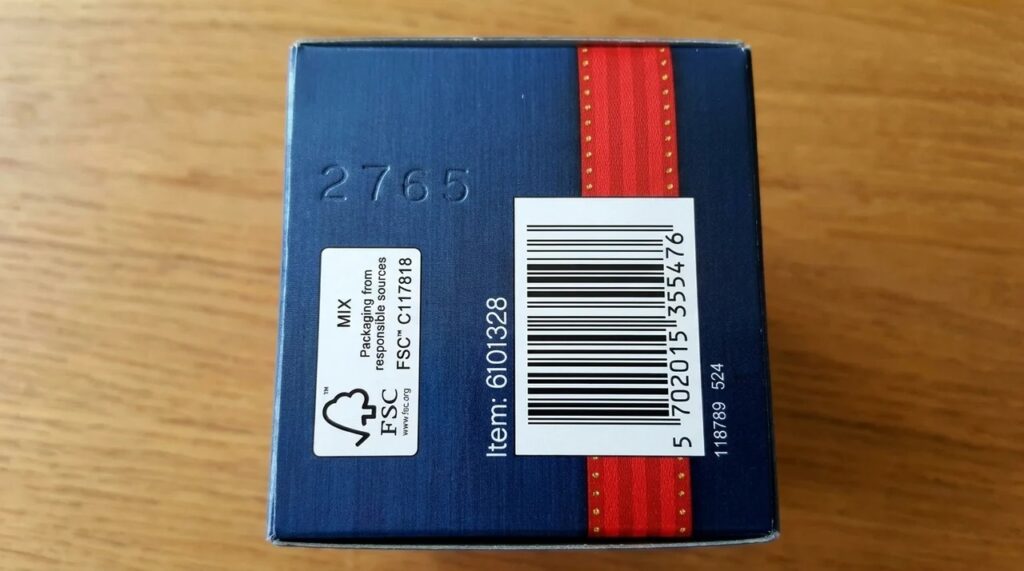
Every LEGO set has a four to seven digit number that identifies it, and that number is the key to researching value. Here is where to find it:
- On the box. Usually printed in small text near a corner of the front or back panel.
- Inside the instruction booklet. Printed on the front cover, often near the bottom.
- On the largest baseplate or a large flat piece. Many sets have the set number molded or printed on the underside of a large plate.
- Loose parts, no box or instructions? This is harder. Distinctive minifigures or unusual pieces can sometimes be identified through BrickLink’s parts catalog by shape and color, but for a loose, unsorted collection, the fastest path is usually to send us photos and let us identify what we can.
Once you have the number, search it directly on BrickLink or BrickEconomy rather than searching by the set’s nickname, since many sets share similar names across years.
What Tends to Hold Up Best
Not all LEGO themes age the same way. Based on how the secondary market has consistently behaved:
- Star Wars, especially Ultimate Collector Series (UCS). Large, display-oriented UCS sets have one of the strongest track records for post-retirement appreciation, particularly when they include exclusive minifigures tied to the films.
- Harry Potter Collectors’ Edition and large-scale sets. Big, display-worthy builds with exclusive characters, like Diagon Alley or Hogwarts-related modules, tend to hold and gain value after retirement.
- Marvel. Similar pattern to Star Wars: the bigger, more minifigure-dense sets tend to outperform smaller, common-figure sets.
- LEGO Ideas. Fan-designed sets are produced in limited windows and often become hard to find once retired, especially early entries in the line.
- Modular Buildings (part of the Creator Expert / Icons lines). This line has one of the best long-term track records of any LEGO theme, as the Cafe Corner example shows.
- Architecture. Appeals to a smaller but dedicated adult-collector audience, and older, retired landmark sets can be surprisingly hard to find.
- City, Duplo, and other core play themes. These are produced in much higher volumes and retire less dramatically, so while individual sets can still hold some value, the huge appreciation stories almost always come from licensed or collector-focused lines instead.
This is a general pattern, not a guarantee. Individual sets within any theme can outperform or underperform based on minifigure exclusivity, production run size, and collector demand.
Common Mistakes People Make When Valuing LEGO
- Trusting asking prices instead of sold prices. Anyone can list a set for whatever price they want. What matters is what buyers have actually paid recently, which is what BrickLink’s sold listings and BrickEconomy’s price history show.
- Assuming “old” automatically means “valuable.” Age helps, but a common set from the 1990s that was produced in huge numbers may be worth less than a rare set from five years ago with strong exclusive minifigures.
- Overlooking loose minifigures. Long after a set itself is common and inexpensive, its exclusive minifigures can remain valuable if collectors need them to complete a display or a full character set.
- Not checking for missing pieces before assuming a set is complete. Under standard grading rules, a set missing even its minifigures has to be listed as incomplete, which meaningfully lowers what it is worth.
- Underestimating bulk collections. A large mixed collection of many sets, even ones that are not individually valuable, can add up to a solid payout once evaluated as a whole.
Should You Sell Now or Wait?
If a set is confirmed to be retiring soon or has just retired, that is often the best window to sell, since demand and prices tend to rise as the remaining supply dries up. Waiting years for further appreciation can pay off for certain collector-grade sets, but it also means storing boxes, hoping condition holds up, and tying up value you could use today. If you are not planning to hold and track the market long-term, selling while a set is fresh off retirement, or simply when you are ready to be done with it, is usually the more practical choice.
How to Find Out What Your LEGO Is Worth
If you want to research values yourself, the most reliable approach is to look at what sets have actually sold for, not what sellers are asking. Two good resources:
- BrickLink shows a price guide and completed sales for individual sets and minifigures. Focus on the sold data, since asking prices are often wishful thinking.
- BrickEconomy tracks set values, retirement status, and price history over time.
Look up your set by its four or five digit set number, which is printed on the box and often in the instructions. Compare recent completed sales for a set in the same condition as yours.
That research takes time, especially for a large collection. If you would rather get a straight answer, send us a list or photos and we will tell you what it is worth, free of charge.
Ready to Turn Your LEGO Into Cash?
Once you know roughly what your collection is worth, you have a decision to make: sell it piece by piece yourself, or sell the whole thing in one transaction. Selling individual sets on a marketplace can work for a single valuable piece, but for a full collection it means fees, listing time, packing, shipping, and dealing with buyers, often stretched over weeks or months.
We make it simple. Tell us what you have, get a fair offer within two business days, and if you accept, we cover the shipping and pay you fast. Get your free LEGO quote here.
Frequently Asked Questions
Look up the set number on BrickLink or BrickEconomy and check recent completed sales, not asking prices, for a copy in the same condition as yours. Sealed, complete, and retired sets are worth the most.
Often, yes. Retired and vintage sets, especially licensed themes and early modular or Ideas sets, frequently sell for well above their original retail price. Age combined with scarcity is what drives value.
Yes. Sealed sets are worth the most, but clean, complete used sets and rare loose minifigures still have real value. Condition and completeness matter most for opened sets.
Retirement, licensing, exclusivity, and the minifigures included. A retired licensed set with rare exclusive figures can climb far above retail, while a common set that is still in production usually will not.
Send us a list or a few photos and we will evaluate your collection and respond with an offer within two business days, at no cost and with no obligation.