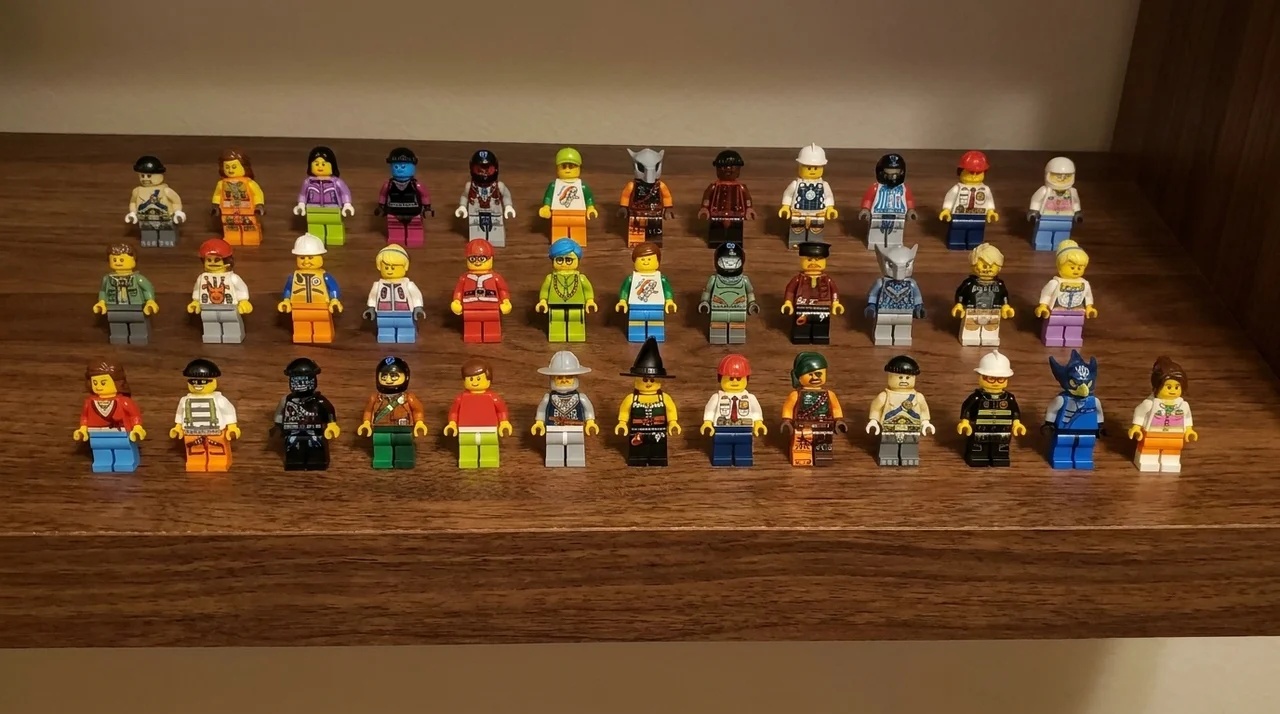
It’s easy to think of minifigures as the small bonus that comes inside a LEGO set, but for a lot of collectors, the minifigures are the whole point. Some individual It’s easy to think of minifigures as the small bonus that comes inside a LEGO set, but for a lot of collectors, the minifigures are the whole point.
Some individual figures sell for more than entire sets, and a bin of loose minifigures that looks like clutter can actually be one of the more valuable parts of a collection. If you have minifigures to sell, whether they’re still in sets, loose in a box, or part of the LEGO Collectible Minifigures blind-bag line, here’s what determines what they’re worth, what to watch out for, and how to sell them.
If you’d rather skip the research and just find out what yours are worth, send us a list or photos for a free quote.
What Makes a Minifigure Valuable
Five factors consistently drive minifigure value, and they compound. A figure that scores well on several of these at once is where the real money is.
Rarity and Production Run
This is the foundation everything else builds on. A minifigure that was only ever included in one set, especially a set that has since retired, is inherently limited to however many copies of that set were made.
Figures from limited promotional releases, convention exclusives, or short print runs start from an even smaller base than a standard retail figure ever does. If a figure was never reissued anywhere else, in any other set, color variant, or accessory combination, its total supply is fixed the moment that original source dries up, and it can only shrink from there as figures get lost, damaged, or separated from a collection over the years.
Theme and Character Popularity
Rarity alone doesn’t guarantee value, demand has to be there too. A hard-to-find figure from a theme with no collector following will still sell for next to nothing, simply because almost nobody is looking for it.
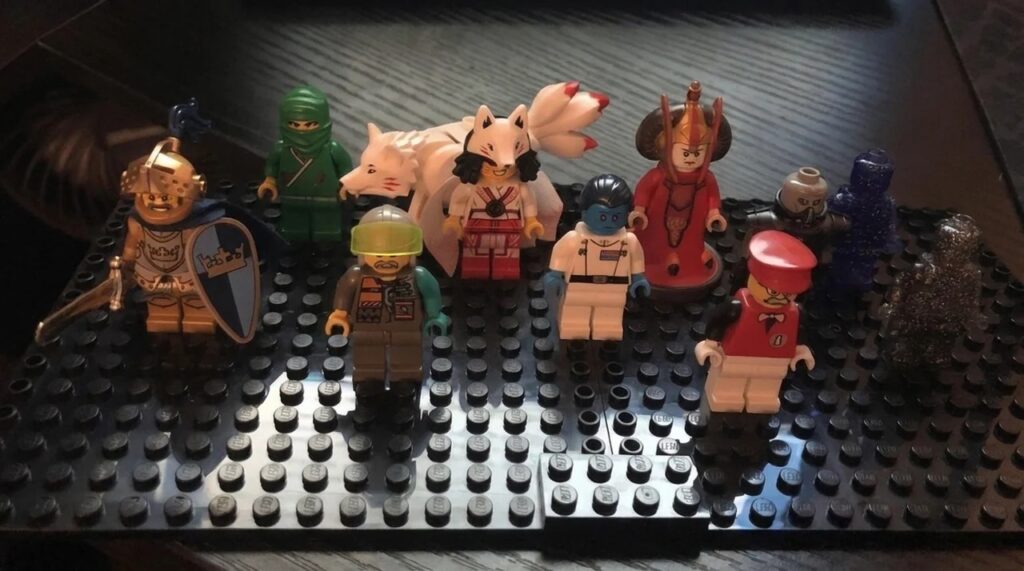
A similarly rare figure from a theme with an active, passionate fan base, like Star Wars, Harry Potter, Marvel, or classic Castle and Pirates, can be worth hundreds of dollars precisely because so many collectors are actively trying to complete a set or a display.
Popularity is really what turns scarcity into price. Plenty of obscure figures are technically rare and still worth very little, because rarity without demand just means nobody wants the thing that’s hard to find.
Condition
A mint, unopened figure is worth substantially more than the same figure loose and played with, sometimes several times more. Sealed packaging proves the figure hasn’t faded in the sun, been chewed on, had paint rubbed off from handling, or had its printing scratched by other pieces rattling around in a bin, all things that matter a great deal to serious collectors chasing a specific display-quality piece.
Even among loose figures that were never sealed to begin with, gently stored examples with crisp, unscratched printing hold noticeably more value than ones that show visible wear, faded colors, or loose joints from years of being played with.
Completeness
A minifigure is really a small assembly of parts: a head, a torso, legs, and usually one or two accessories like a helmet, cape, or weapon that came specifically with that character.
A figure missing any of those pieces is worth meaningfully less than the same figure complete, sometimes as little as half, because collectors are often trying to build an exact, accurate version of the character as it originally appeared, not just a generic body with the right face printed on it.
Age
Older figures, particularly anything from before the mid-2000s, tend to have smaller surviving populations simply because fewer were preserved carefully over the decades since.
A lot of early LEGO minifigures were played with hard, thrown in toy boxes with other pieces, or simply thrown out entirely once a child outgrew them, so what’s left in genuinely good condition today is scarcer than the original production numbers would suggest. Age on its own doesn’t guarantee value, but combined with rarity and popularity, it’s a strong signal that a figure is worth a closer look.
The Collectible Minifigures Series
Separate from figures that come inside regular sets, LEGO has run an ongoing line called Collectible Minifigures, often abbreviated CMF, since 2010. Each series is sold as blind-bagged figures, so buyers don’t know which character they’re getting until they open the packaging, and each numbered series retires after a limited run before the next one launches, usually every few months.
A few things make CMF figures their own distinct collecting category, worth understanding separately from theme-specific figures. Short-run variants within a given series can be significantly scarcer than the rest of that same series, and those variants are usually where the real CMF value is concentrated rather than spread evenly across every character.
Earlier series also tend to be worth more than recent ones, partly because of simple age, and partly because scanning tools and community-built weight and bump charts now let buyers figure out which character is inside a bag before opening it, which has quietly eroded the mystery, and the collector premium that mystery used to carry, on newer series.
One figure stands apart from the entire line. “Mr. Gold,” a solid gold-chrome minifigure, was inserted randomly into just 5,000 CMF Series 10 bags worldwide back in 2013. It remains one of the most recognized and valuable figures LEGO has ever produced, and it’s a good example of what happens when a genuinely tiny, unpredictable production run meets a theme with a large, dedicated collector base.
If you have unopened CMF bags or full unopened boxes from any series, especially early ones, it’s worth holding off on opening them until you know what they might be worth, since a sealed bag from an early series can be worth considerably more than the figure alone once it’s out and identified.
How Much Are We Actually Talking About?
Values here span an enormous range, and it helps to see where different kinds of figures typically land. Most minifigures, even ones from long-retired sets, are worth a few dollars, simply because most sets were produced in large numbers and most figures aren’t tied to a particularly popular character. Above that everyday tier, figures that are individually exclusive to a single well-regarded set, like specific character variants from certain LEGO Star Wars sets, commonly sell in the hundreds of dollars.
Above that, a smaller group of figures tied to extremely limited production runs, chrome or metallic special finishes, or one-off convention exclusives can run into the low thousands. At the very top of the market sit the true anomalies: one-of-a-kind pieces LEGO produced as contest prizes or raffle giveaways rather than retail products, which have reportedly changed hands, or been valued by appraisers, well into five and even six figures.
Those top-tier pieces are genuine outliers and not representative of what a typical collection will contain, but they show just how wide the range really is, and why it’s worth having anything unusual properly looked at rather than assumed to be a common figure.
Watch Out for Counterfeits
The popularity of minifigure collecting has unfortunately created a real market for fakes, and it’s worth knowing the difference before you buy, sell, or value anything, particularly with licensed characters from Star Wars, Marvel, or DC, which counterfeiters target most often.
Genuine LEGO minifigures are made from a specific, high-quality plastic that has a consistent weight, a slightly glossy finish, and joints that snap firmly into place without feeling loose or overly stiff.
The printing on an authentic figure is sharp, centered, and doesn’t smudge or peel, while fakes often show blurry lines, slightly off colors, or printing that sits crooked on the torso or face. A genuine LEGO torso will also have the LEGO logo molded into the underside of the neck, and real minifigure feet are fully closed at the back, without the open or roughly finished gaps that turn up on cheaper counterfeits.
None of these checks require special tools, just a side-by-side comparison with a figure you already know is authentic, or a close look against official reference photos if you’re unsure. If you’re selling a collection to us, this isn’t something you need to sort out yourself. We check authenticity as part of evaluating what you send.
Beyond Star Wars: Other Themes Worth Checking
Star Wars gets a lot of attention in minifigure collecting, and deservedly so. We cover that theme in detail in our guide to selling LEGO Star Wars sets. But it isn’t the only theme where figures hold real value. Classic Castle and Pirates figures from the 1990s carry a dedicated adult-collector following, and original figures from that era are increasingly hard to find in good condition simply because so much time has passed since they were new.
Harry Potter figures from the windows when LEGO’s licensing agreement with that franchise lapsed can’t be reissued at all, which puts a hard, permanent ceiling on how many will ever exist. Marvel and DC have their own share of early-appearance or short-run exclusive character variants worth a second look, and Ninjago, despite not being a licensed franchise, has built one of LEGO’s most active and long-running collector communities in its own right.
How to Check What You Have
Before selling, a quick sort makes a real difference in what you end up finding. Start by separating anything still sealed in its original packaging, whether that’s a full set or an unopened CMF bag, from everything loose, since sealed items need to be evaluated differently and shouldn’t get mixed in with a general loose pile.
From there, grouping loose figures by theme, even roughly, makes it much faster to spot a standout piece once similar figures are sitting together rather than scattered through one big bin. Keep an eye out for anything with unusual printing, an unfamiliar chrome or metallic finish, or an accessory that doesn’t look like it belongs to a normal retail figure, since those are common signs of a promotional or limited release rather than an everyday character.
And where you can, check completeness against reference photos, since a figure missing its signature accessory or a limb is worth noticeably less than the same figure whole.
You don’t have to identify everything yourself. If you have a large or mixed batch of minifigures, send us photos and we’ll help sort out what’s worth something.
How to Sell Your Minifigures To Us
Step 1 — Connect. Let us know what you have. You can call us at 866.669.8697, email, use our app, or submit photos or a list. If you have sets you suspect are especially valuable, mention them specifically and include clear photos of any exclusive minifigures.
Step 2 — Get a quote. Within two business days, our team evaluates your collection, sets and minifigures both, and sends you a fair offer.
Step 3 — Send and get paid. If you accept, we send free shipping labels and packing instructions. Once your collection is checked in at our warehouse, you’re paid within 48 hours by check, Venmo, or PayPal.
No listing fees, no photographing dozens of individual pieces yourself, no waiting on buyers one at a time.
Frequently Asked Questions
Sometimes, yes. A minifigure that’s exclusive to one set, or tied to a popular character, can be worth as much as, or more than, the rest of the set combined, especially once that set has retired.
An ongoing blind-bag line LEGO has produced since 2010, sold in individually wrapped packages where the character inside isn’t visible until opened. Each numbered series has a limited run before the next one replaces it.
Yes. We buy minifigures on their own as well as as part of larger collections.
Sealed figures are worth the most, but loose figures, especially complete and gently handled ones, still hold real value. Missing pieces or heavy wear lower the price but don’t necessarily make a figure worthless.
Look for unusual finishes like chrome or metallic paint, printing that doesn’t match current retail figures, or a character that only ever appeared in one now-retired set or a limited promotional release. If you’re not sure, send us photos and we can help.
Check for firm, snug joints, sharp and centered printing, and a molded LEGO logo on the underside of the neck. Fakes often have looser joints, slightly off colors, blurry printing, or feet that aren’t fully closed at the back.