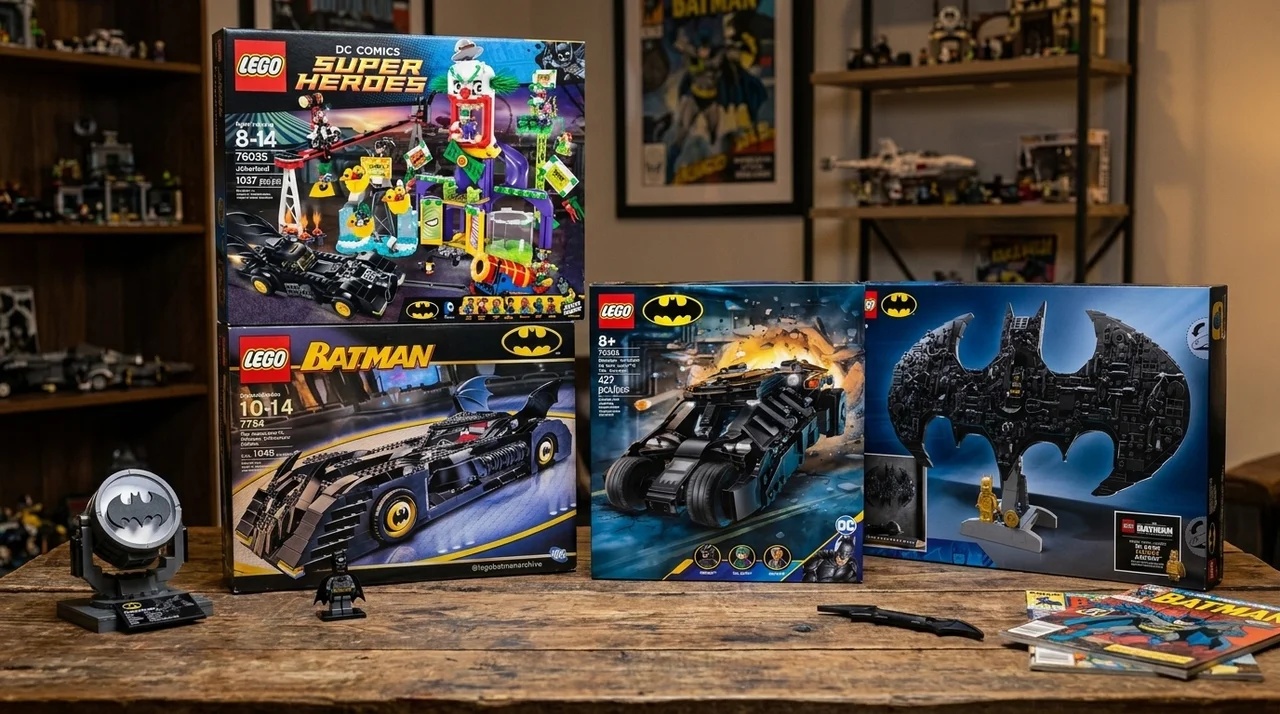
LEGO’s DC Super Heroes theme has been building sets since 2011, and while it doesn’t always get the same spotlight as LEGO Star Wars, it has produced its own distinct pocket of genuinely valuable collectibles, most of it clustered around a handful of specific drivers that are worth understanding before you sell.
If you have LEGO Batman, Superman, or other DC sets and minifigures sitting around, here’s what actually determines what they’re worth and how to turn them into cash.
If you’d rather skip ahead, send us a list or photos and we’ll get you a free quote.
Batman Dominates the DC LEGO Universe
Unlike a lot of licensed LEGO themes that spread fairly evenly across a franchise’s cast, LEGO DC is overwhelmingly a Batman theme with other characters mixed in around the edges.
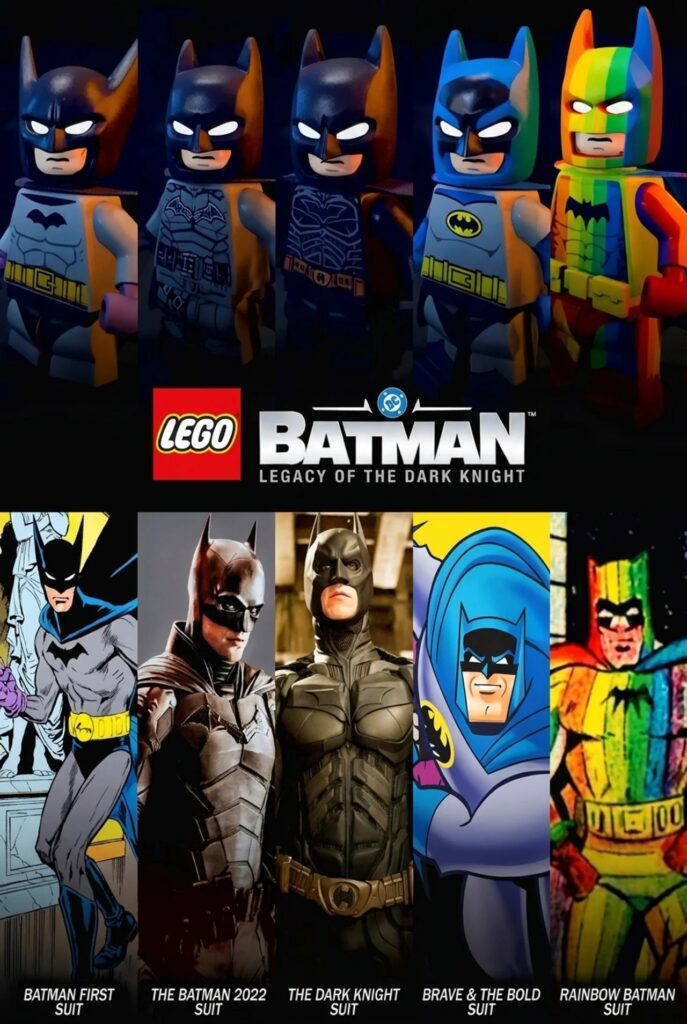
The very first DC Super Heroes set, released in 2011, was the Batcave, and it’s been Batman ever since: there are dozens of distinct Batman minifigure variants alone, spanning different comic-era costumes, movie tie-ins, and one-off alternate looks, far outnumbering the minifigure count for any other DC character.
Superman, Wonder Woman, the Joker, and the rest of the roster show up regularly, but Batman is the character carrying the theme’s collector demand, and that has a direct effect on value.
A Batman variant tied to a specific, limited release will usually hold more collector interest than a similarly rare figure of almost anyone else in the DC lineup, simply because there’s a much larger, more dedicated audience specifically hunting for Batman.
This matters when you’re sorting a collection. If you’re trying to figure out where to focus your attention first, checking every Batman figure for its exact costume and release is usually more productive than working through the rest of the lineup piece by piece.
Why Comic-Con Exclusives Are the Real Driver of DC Value
If there’s one thing that separates LEGO DC’s high-value pieces from the rest of the theme, it’s San Diego Comic-Con. From 2011 through 2019, LEGO gave attendees of that convention the chance to receive exclusive minifigures, distributed through in-person lotteries and never sold at retail.
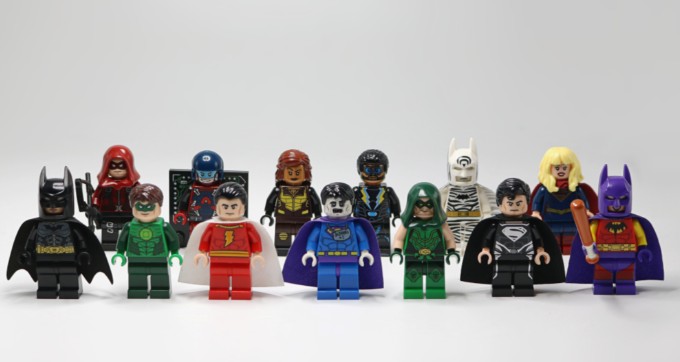
A handful of DC characters went through this process, and because DC has historically had a smaller collector base at these events than Marvel, the production runs on some DC exclusives were kept especially tight, in some cases as low as 200 units.
The result is a small cluster of DC minifigures that rank among the most valuable LEGO minifigures ever produced, DC or otherwise. A 2013 black-costume Superman, limited to just 200 pieces and given away through an SDCC raffle, has sold at auction for well into five figures in top condition, and more typically trades in the low thousands.
A Green Arrow variant from the same convention era, similarly scarce, sits in comparable territory. Later SDCC exclusives like Batman of Zur-En-Arrh, an unusual alternate-costume Batman from 2014, and an ATOM minifigure from 2016 tied to a TV series, have each developed their own smaller but genuine collector followings. LEGO discontinued the SDCC exclusive program after 2019, which means the entire run of these minifigures is now a closed, permanently fixed set. Nothing more is coming.
If you have any DC minifigure that came in a blister pack with an unusual cardboard backing, rather than inside a normal retail box, or that doesn’t match any character or costume you can find in a current LEGO set, it’s worth pausing before assuming it’s just a common figure. Convention exclusives are exactly the kind of piece that gets mistaken for an ordinary loose minifigure.
Retail Sets Worth a Second Look
Comic-Con pieces get the headlines, but retail DC sets carry real value too, particularly larger builds tied to specific films. Sets connected to the Dark Knight trilogy and other live-action Batman releases, especially detailed vehicle builds like the Tumbler, have held up well on the secondary market after retiring, both for the model itself and for the character-accurate minifigures that came with it.
As with most LEGO themes, larger, more detailed sets with multiple exclusive minifigures tend to appreciate more reliably than smaller, simpler sets built around common characters. If a set stands out as an unusually large or detailed build for its era, that’s generally a good sign it’s worth researching individually before it goes in with the rest of a collection.
What to Check Before You Sell
A little bit of sorting goes a long way here. Pull out anything Batman-related first and take a closer look at the specific costume or variant, since that’s where the bulk of the theme’s collector demand lives. Set aside any minifigure that came in unusual packaging, especially blister packs with printed cardboard backing rather than a standard box, since that’s the hallmark of a convention exclusive.
And keep sealed sets separate from everything else, particularly any larger vehicle or building sets tied to a specific film release, since condition matters enormously once a set has been off shelves for a while.
For more on how condition and completeness affect value across the board, see our guide to what your LEGO is worth, and if you’re weighing whether to sell your whole collection at once or piece by piece, our comparison of eBay, BrickLink, and selling to a buyer covers the real costs of each route.
You don’t need to identify every figure yourself. If you have a mixed batch of DC minifigures and sets, send us photos and we’ll help sort out what’s worth something.
How to Sell Your LEGO Star Wars Collection to Us
Step 1 — Connect. Let us know what you have. You can call us at 866.669.8697, email, use our app, or submit photos or a list. If you have sets you suspect are especially valuable, mention them specifically and include clear photos of any exclusive minifigures.
Step 2 — Get a quote. Within two business days, our team evaluates your collection, sets and minifigures both, and sends you a fair offer.
Step 3 — Send and get paid. If you accept, we send free shipping labels and packing instructions. Once your collection is checked in at our warehouse, you’re paid within 48 hours by check, Venmo, or PayPal.
No listing fees, no photographing dozens of individual pieces yourself, no waiting on buyers one at a time.
Frequently Asked Questions
LEGO DC has released far more Batman minifigure variants than any other DC character, and Batman carries the theme’s collector demand. Rare or limited Batman figures tend to hold more value than similarly rare figures of other DC characters simply because more collectors are actively looking for them.
From 2011 to 2019, LEGO gave away DC and other minifigures exclusively to Comic-Con attendees through in-person lotteries, in production runs sometimes as low as 200 pieces. LEGO ended the program after 2019, so that entire run is now permanently fixed with no more coming.
Look for unusual blister-pack packaging with printed cardboard backing, rather than a standard set box, and a character or costume variant that doesn’t match anything currently sold at retail. If you’re not sure, send us photos and we can help.
Generally, DC values run lower than Star Wars, since DC has historically had a smaller dedicated collector base. That said, the rarest DC Comic-Con exclusives rank among the most valuable LEGO minifigures ever produced, regardless of theme.
Yes. We buy minifigures on their own as well as part of larger LEGO collections.