
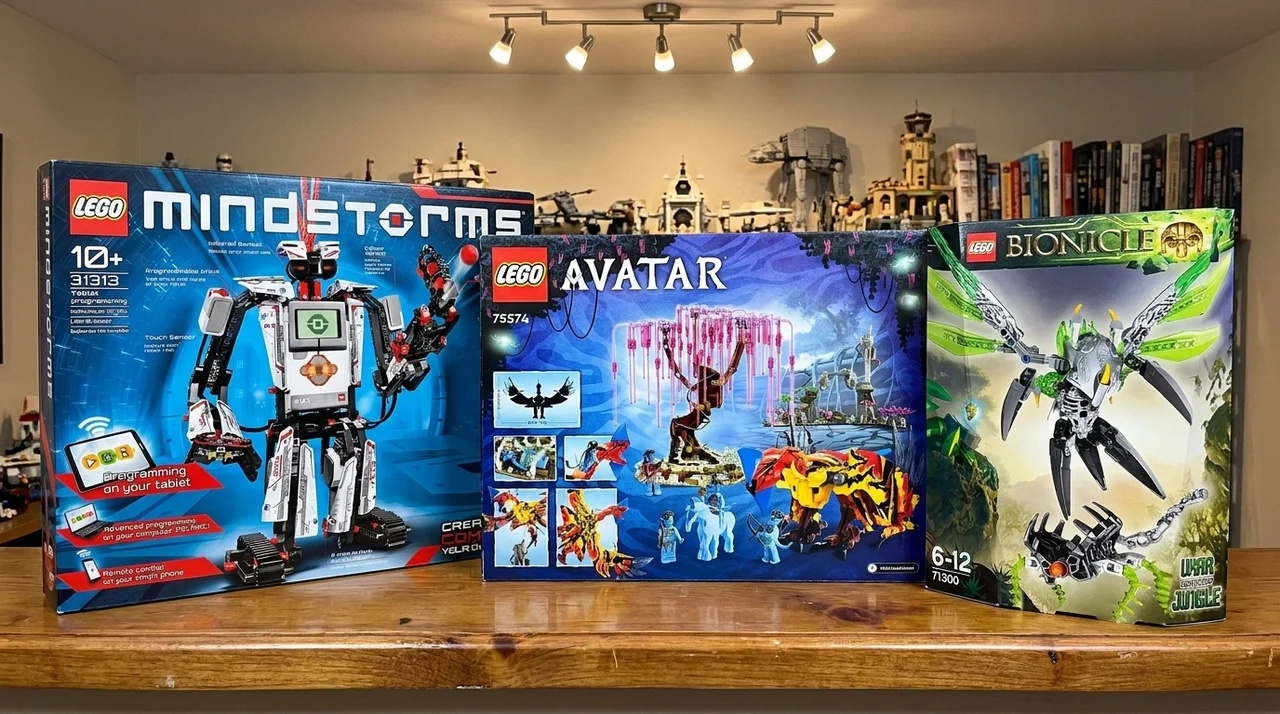
If you have ever wondered why a LEGO set that cost $150 new is now selling for $1,500, the answer almost always comes down to one word: retirement. Once LEGO stops making a set, that is it. No more are coming. Retired LEGO sets still in circulation, sealed or built, are all that will ever exist, and that simple fact is the single biggest driver of LEGO’s collector market.
Right now is a particularly good time to understand how this works, because LEGO is retiring an unusually large number of sets in 2026. If you have any of them sitting around, or you are trying to figure out whether something in your collection is about to become a lot more valuable, this is what you need to know.
What “Retired” Actually Means
A LEGO set is retired once LEGO permanently stops manufacturing it. It is not the same as a temporary sellout. Once a set is officially retired, remaining stock at LEGO.com, retail stores, and third-party sellers is all that will ever be available again. There is no restock coming, and LEGO does not reliably reissue old sets, though it occasionally happens years later in a modified form.
LEGO doesn’t retire sets one at a time throughout the year. Retirements tend to cluster in scheduled waves, and 2026 is a good example.
There is a major wave hitting in July 2026, with well over 100 sets retiring across nearly every theme, and a second, larger wave scheduled for December 2026. If a set you own or are thinking about buying is on one of these lists, the clock is genuinely running out.
Why Retirement Drives the Price Up
The mechanism is simple supply and demand, but it plays out in a very specific way with LEGO:
Supply Gets Fixed Permanently
The day a set retires, the total number of copies that will ever exist is locked in. LEGO will not run another production batch, no matter how much demand shows up later. From that point forward, the number of copies in the world can only move in one direction: down.
Sets get built and never reboxed, boxes get damaged in storage or during a move, pieces get lost, and some copies simply get thrown out by people who don’t realize what they have. None of that supply comes back.
A set that had thousands of units on shelves at launch can end up with a genuinely small number of well-preserved copies left within a decade, and that shrinking, one-way supply is the foundation everything else on this list builds on.
Demand Often Increases After Retirement
It’s a strange pattern, but a very consistent one: plenty of sets get more popular after they disappear than they were while sitting on shelves. Casual buyers who saw a set in stores for two or three years and never got around to picking it up suddenly want it the moment they realize it’s gone for good.
That sense of “last chance” pulls in buyers who were never actively collecting in the first place. On top of that, serious collectors often wait deliberately. Buying a set the week it retires, rather than the week it launches, means paying closer to retail while still getting in before the bigger price climbs happen.
That combination, casual latecomers plus patient collectors, tends to push demand up right at the moment supply stops growing.
Media and Pop Culture Can Reignite Demand Years Later
A set’s demand doesn’t stay flat just because it’s been retired for a while. Anything that puts its theme back in the cultural conversation, a sequel or reboot film, a franchise anniversary, or a new video game, can send a fresh wave of buyers looking for it.
Because the set is retired, there is no way for LEGO to respond with new stock, so all that renewed demand runs straight into the same fixed, shrinking supply. This is part of why licensed sets tied to long-running franchises like Star Wars or Harry Potter tend to hold and gain value more reliably.
The franchise staying culturally alive keeps refreshing demand for LEGO that will never be restocked.
Sealed Supply Shrinks Faster Than Most People Expect
Even among the retired sets still circulating, most of them do not stay sealed for long. The majority of any set that was ever sold gets opened and built, because that’s what LEGO sets are for. Every year that passes after retirement, more of the remaining sealed copies get opened, whether by a collector who finally decides to display it built, a buyer who didn’t realize what they had, or simple accidents.
That means the pool of genuinely sealed, mint-condition copies shrinks noticeably faster than the pool of used copies. It’s a big part of why sealed condition carries such a disproportionate premium on older retired sets. It’s not just that sealed is nicer than used, it’s that sealed becomes rarer at a faster rate every single year.
This is why you’ll often see very little price movement while a set is available at retail, followed by a steady climb once it retires, especially for sets with strong licensing or exclusive minifigures behind them.
What’s Retiring Right Now in 2026?
2026 has brought one of the largest retirement waves in recent memory, with a first wave in July and a second, larger wave in December. A few notable examples worth knowing about:
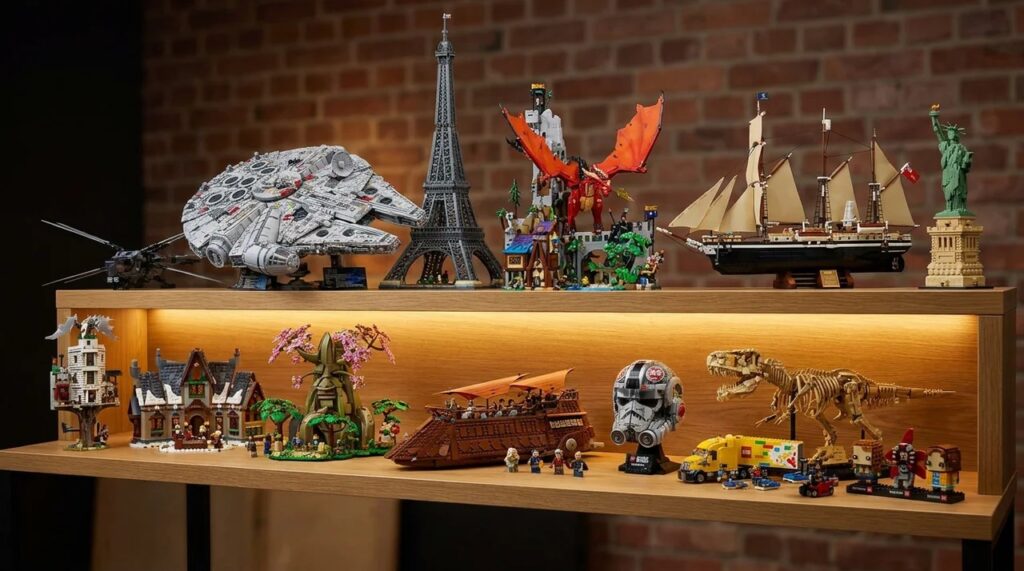
- 75192 UCS Millennium Falcon ($849.99) is finally scheduled to retire this year. As one of LEGO’s most iconic sets ever produced, its predecessor set the standard for post-retirement appreciation, and collectors are watching this one closely.
- 76417 Gringotts Wizarding Bank Collectors’ Edition, a large-scale Harry Potter set, is retiring in the July wave and has already started selling out in some regions.
- Several LEGO Ideas sets, including 21348 Dungeons & Dragons: Red Dragon’s Tale and 21350 Jaws, are retiring by the end of July. LEGO Ideas sets have historically been strong appreciators once gone.
- 10326 Natural History Museum, a large modular Icons set, is scheduled to retire in December.
- Beyond these, dozens of sets across LEGO Marvel, Star Wars, Technic, City, and other lines are also retiring throughout the year.
If you own any of these, or something similar from a licensed or collector-focused theme, retirement is exactly the moment to pay attention. For a broader look at which categories of sets have historically appreciated the most, see our guide to the most valuable LEGO sets.
Not Every Retired Set Becomes Valuable
It is worth being realistic here. Retirement is necessary for a set to appreciate significantly, but it is not sufficient on its own. Plenty of retired sets settle in at close to their original price, or even below it, especially common sets from high-volume themes like City, Duplo, or Classic.
The sets that see the biggest gains after retirement tend to share a few traits, which we cover in detail in our guide to what your LEGO is worth: strong licensing, exclusive or rare minifigures, large display-oriented builds, and limited production windows like LEGO Ideas sets.
If a set was mass-produced for years before retiring, there is usually a lot of supply already out there, and prices tend to stay closer to retail even after it’s gone. The sets to watch are the ones that combine retirement with genuine scarcity and demand.
What This Means If You’re Deciding Whether to Sell
If you own a set that has recently retired, or is scheduled to retire soon, that timing tends to work in your favor if you’re thinking about selling. Demand is often at its most active right around retirement, as buyers who missed out at retail start looking for the last available copies.
Waiting years for further appreciation can pay off for genuinely rare, high-demand sets, but it also means storing the set, protecting its condition, and tying up its value in the meantime with no guarantee prices will keep climbing.
If you’re not planning to hold and track the secondary market long-term, selling while demand is fresh, right around or shortly after retirement, is usually the more practical choice.
Get a Free Quote on Your LEGO Today
Not sure whether something in your collection is retired, about to retire, or worth holding onto? Send us a list or a few photos and we’ll evaluate it for you, free of charge. If you decide to sell, we send free shipping labels and pay within 48 hours of your collection arriving.
Frequently Asked Questions
It means LEGO has permanently stopped manufacturing that set. Once existing stock sells through at retailers, no more will be produced, though LEGO occasionally reissues older designs in a modified form years later.
No. Retirement is what makes appreciation possible, but common, high-volume sets often settle near their original price. The sets that see the biggest gains tend to be licensed, have exclusive minifigures, or came from limited-run lines like LEGO Ideas.
LEGO’s own site has a “Retiring Soon” section, and fan sites like Brick Fanatics and Jay’s Brick Blog publish detailed, regularly updated retirement lists by theme.
It depends on the set, but demand is often strongest right around retirement, when buyers who missed out at retail start looking. Waiting can pay off for genuinely rare sets, but it also means storing them with no guarantee of further gains.
Send us a list or photos of what you have and we’ll evaluate your collection and respond with a free quote within two business days.